November 16, 2026
A roof can look fine from the ground while still developing problems around shingles, flashing, ventilation, decking, or other vulnerable areas. That is why professional inspections are useful after storms, before buying or selling a home, and as part of regular maintenance. A trained roofer knows where to look and how different parts of the roofing system work together.
According to the National Roofing Contractors Association, around 30% of roof repair services are related to storm damage, including hail and wind damage. Severe weather is only one reason a roof may need attention, but it highlights the value of checking for conditions that are not always obvious from the yard. A professional roof inspection can help document the roof's current condition and identify areas that may need repair or monitoring.
A roof inspection also creates a useful baseline for future maintenance. Keeping the report, photographs, repair invoices, and warranty information together can make it easier to compare conditions after storms or when questions arise again later.
1. Shingle Wear, Missing Material, and Surface Damage
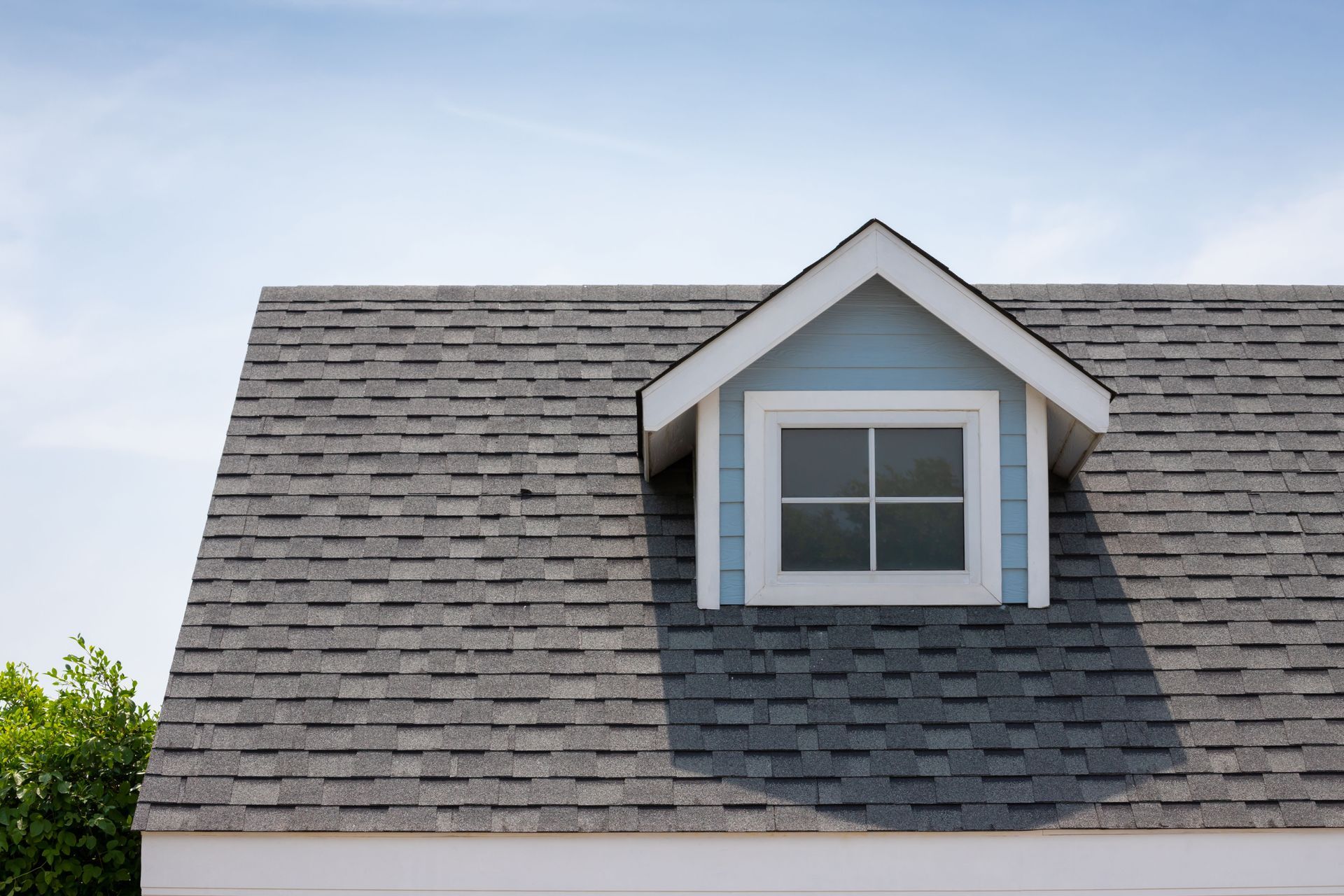
One of the first things professionals examine is the condition of the visible roofing material. On an asphalt shingle roof, that can include missing, cracked, curled, lifted, or loose shingles. Inspectors may also look for unusual granule loss, exposed areas, or sections where wind has disturbed the shingle edges.
Storm damage can be subtle. Wind may loosen shingles without removing them completely, while hail can leave marks that require closer evaluation. Age-related wear can look different from damage caused by a recent weather event, so context matters when determining what an inspection finding means.
We evaluate material wear in relation to the rest of the roof rather than assuming every damaged shingle requires replacement of the entire system. The location, amount of damage, roof age, and surrounding conditions all help determine whether a repair or broader work may be appropriate.
2. Flashing Around Roof Penetrations and Transitions
Flashing helps direct water away from areas where roofing materials meet chimneys, walls, skylights, vents, valleys, and other transitions. These locations deserve close attention because even a relatively small opening can allow water to move beneath the visible roofing surface.
During a roof inspection, we look for flashing that is loose, damaged, corroded, poorly sealed, or showing signs of previous repair. We also examine transitions where different roof sections meet and areas where sealants or fasteners may have deteriorated.
Finding a flashing problem does not automatically mean the roof has widespread damage. In some cases, a localized repair may address the issue. The important step is identifying the actual entry point rather than assuming an interior stain sits directly below the exterior problem.
3. Signs of Leaks and Moisture Intrusion
Water can travel along decking, rafters, insulation, or framing before it becomes visible inside a home. That means a ceiling stain may not reveal the exact location where moisture entered the roofing system. Professional inspections look for clues both outside and, when accessible, inside the attic or upper areas of the home.
We may look for water staining, damp materials, damaged insulation, discoloration, or other signs that moisture has entered. The roof surface is then evaluated for conditions that could be contributing to the problem, such as compromised flashing, damaged shingles, or penetrations.
Leak identification is one of the inspection services we provide throughout Rhode Island and Southeastern Connecticut. If active moisture is found, the next step is determining the source and explaining what type of repair may be needed.
4. Roof Decking and Structural Concerns
The roofing material sits over decking and structural components that help support the system. A professional may look for visible sagging, uneven areas, soft spots, or other signs suggesting the underlying structure deserves closer attention.
Some decking problems only become fully visible when roofing materials are removed during a repair or replacement. An inspection can still identify warning signs that help homeowners understand whether concealed deterioration may be present.
Our team checks for structural concerns as part of a thorough evaluation. If conditions appear to extend beyond routine roofing work, additional assessment may be recommended. A roof inspection should describe what is visible and avoid making unsupported assumptions about concealed materials that cannot yet be examined directly.
5. Ventilation and Insulation Conditions
A roofing system also depends on what is happening beneath the shingles. Attic ventilation helps manage heat and moisture, while insulation affects conditions inside the home and attic. Problems in either area can influence the roofing environment even when the exterior materials appear intact.
We evaluate ventilation and insulation during our inspections when those areas are accessible. Blocked vents, inadequate airflow, or moisture-related conditions may deserve attention because they can affect the attic and roof assembly over time.
Homeowners should not assume that every temperature or moisture concern is caused by the roof itself. A professional assessment can help distinguish visible roofing problems from ventilation, insulation, or other building conditions that may need separate attention.
6. Gutters, Edges, Valleys, and Drainage Areas
Water needs a clear path off the roof. Gutters, valleys, roof edges, and drainage areas help move rainfall away from the roofing surface and the home. Debris, damaged components, or poor drainage can allow water to collect where it should not.
During a roof inspection, professionals may look for clogged or damaged gutters, loose edge materials, debris in valleys, and signs that water is not draining normally. These observations can help explain staining, overflow, or deterioration near the perimeter of the roof.
We also consider how roof edges and nearby exterior components interact. Because our services include roofing, siding, and window work, we understand that water-management problems can sometimes involve more than one part of the home's exterior.
7. Evidence of Recent Storm Damage
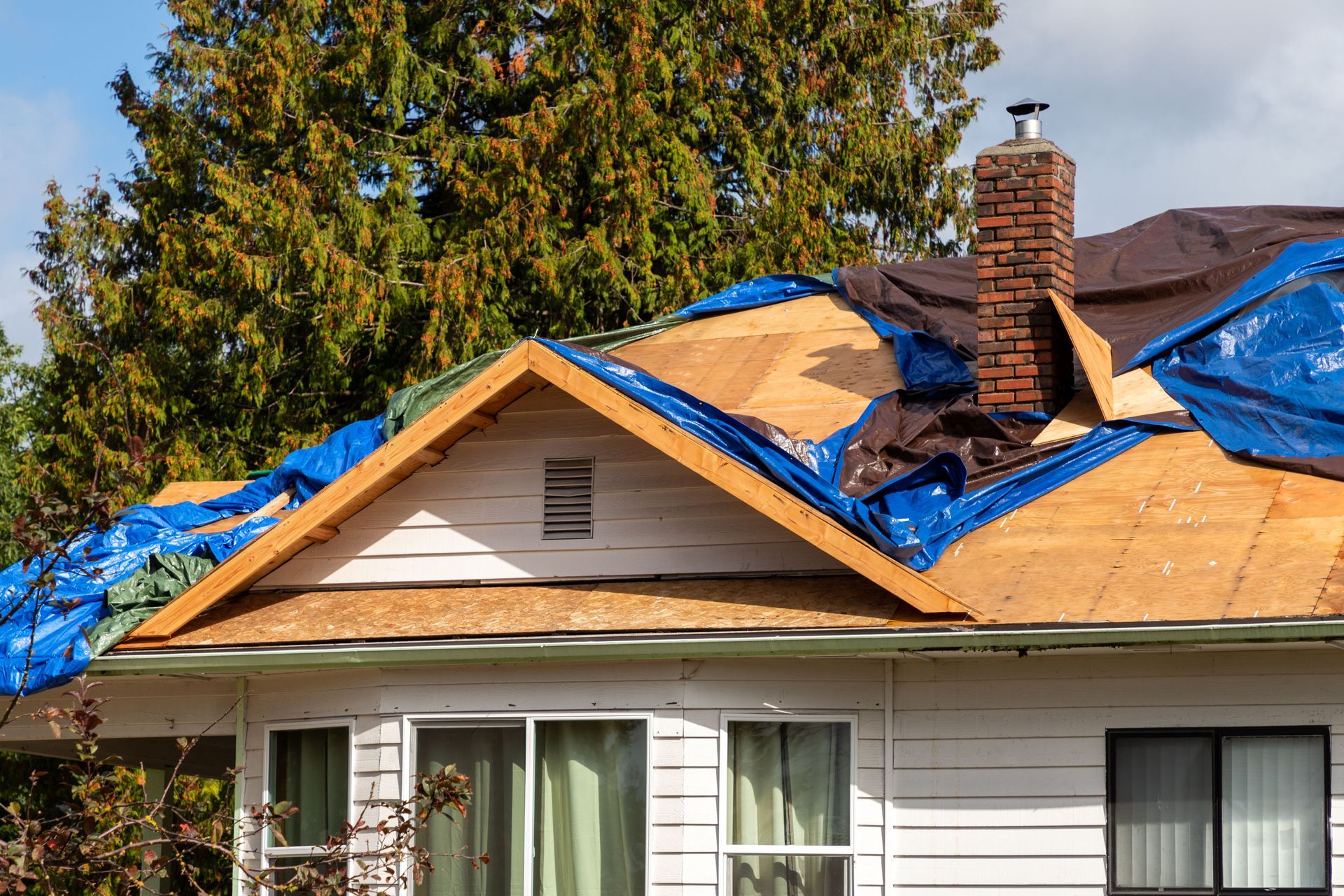
After strong wind, hail, or falling debris, a roof may need evaluation even when no leak is immediately visible. Storms can affect shingles, flashing, vents, gutters, and other exposed components, and some damage can be difficult to recognize without getting close to the roofing surface.
We provide same-day storm damage service for urgent situations. Our team can document visible conditions, explain what appears to have been affected, and discuss repair options. We also work with most insurance companies when homeowners are navigating a storm-related claim, while the insurance carrier remains responsible for determining coverage.
Homeowners should avoid climbing onto a damaged roof themselves. Wet surfaces, loose materials, and unseen structural problems can create hazards. The National Roofing Contractors Association also recommends that storm damage assessments and repairs be performed by professional roofing contractors.
Use the Inspection to Plan the Next Step
An inspection should give homeowners more than a list of defects. It should help explain which findings need prompt attention, which can be monitored, and whether the overall condition supports repair, maintenance, or replacement. We provide detailed findings and recommendations based on what we observe rather than assuming every roof needs the same solution.
Roof Rite has served Rhode Island and Southeastern Connecticut since 1986 and brings more than 40 years of roofing experience to residential and commercial projects. We are GAF Master Elite certified and offer no-hassle, no-obligation free quotes, same-day storm damage service, GAF manufacturer warranties, and a 10-year labor warranty.
If you are concerned about leaks, storm damage, aging materials, or the overall condition of your roof, contact Roof Rite to schedule a roof inspection. Our team can evaluate the roofing surface, flashing, ventilation, insulation, structural concerns, and other important areas, then explain what we find and recommend the appropriate next step for your property.