January 14, 2026
Homeowners often think of roofing shingles as simple, uniform pieces that cover the top of a house. In reality, shingles come in many varieties, each with features that affect durability, appearance, weather resistance, and long-term maintenance. Understanding the basics can help you make smarter decisions when planning a roof replacement, scheduling maintenance, or discussing materials with a local roofer. Whether you're curious about how shingles are made or want to know what affects their lifespan, learning the fundamentals can prevent costly mistakes and help you choose a roof that performs well for years. This guide breaks down essential shingle facts your local roofer wants homeowners to know — from structure and material choices to performance factors and installation details.
Understand How Shingles Are Built
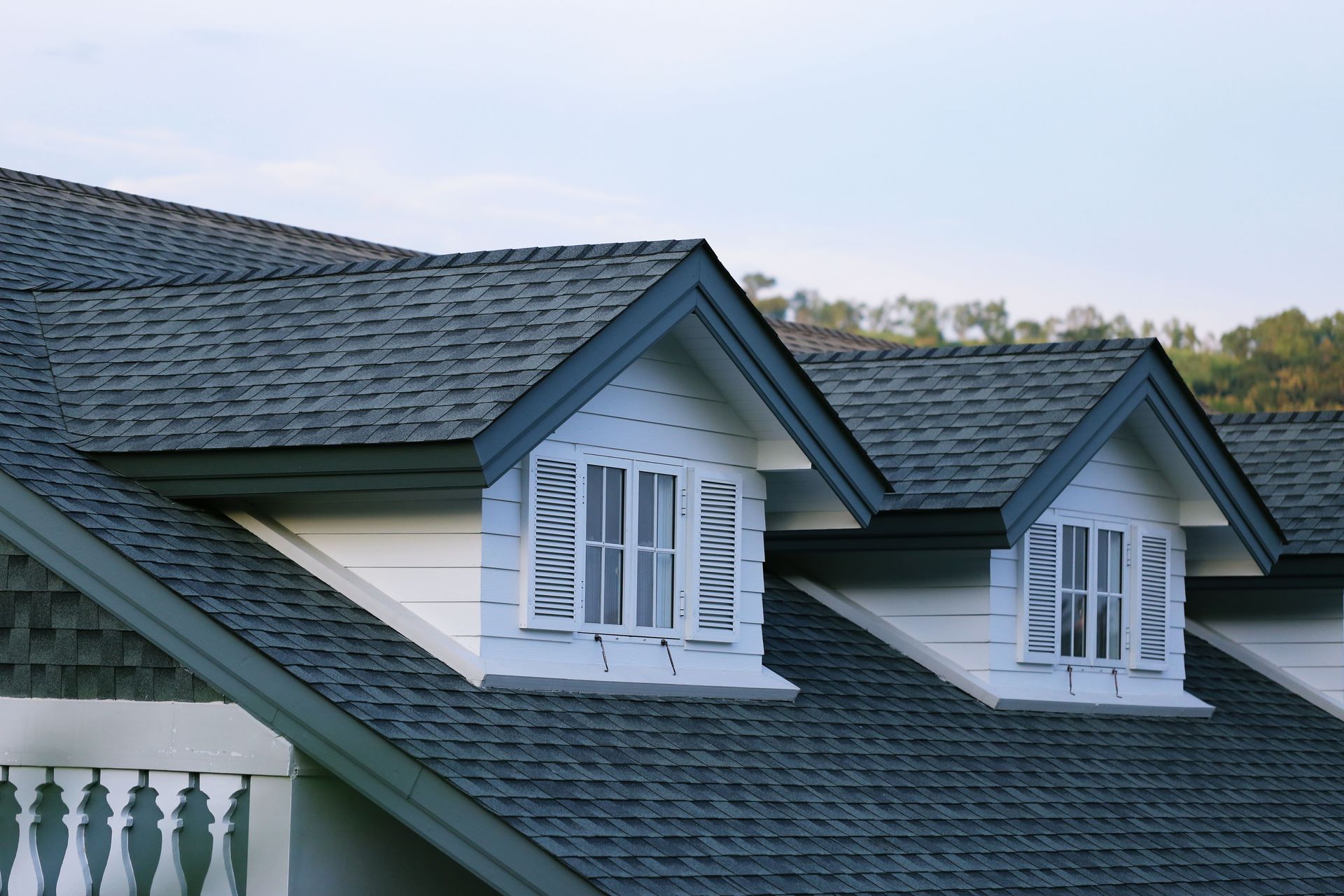
At first glance, shingles might seem deceptively simple. Yet each one is engineered to perform specific tasks: shedding water, resisting wind, and providing a barrier against sun, heat, and moisture. Most asphalt shingles consist of a fiberglass mat coated in asphalt and topped with mineral granules. The granules serve multiple roles — they provide color, protect the shingle from UV rays, and add texture to reduce slippage during installation.
A roofer will often explain that the fiberglass mat is responsible for giving the shingle structure, while the asphalt coating makes it waterproof. Granules add weight, which increases wind resistance, and they also help prevent the asphalt from degrading prematurely. These components work together to create a shingle that can last decades when installed and maintained properly.
Traditional shingles also follow standard dimensions. According to This Old House, traditional roofing shingles are usually 12 by 36 inches in size. This size helps installers work efficiently while maintaining proper overlaps and ensuring consistent coverage.
The combination of materials, structure, and design plays a major role in a roof's performance — something your local roofer considers carefully when recommending the right shingle for your home.
Compare the Most Common Shingle Types
Shingles vary widely in appearance, durability, and cost. While asphalt shingles remain the most popular option in residential roofing, they are not the only choice. A knowledgeable local roofer typically helps homeowners compare the benefits of each type to determine what aligns with their budget and aesthetic goals.
Asphalt shingles come in three main styles: 3-tab, architectural, and premium.
– 3-tab shingles are lightweight and budget-friendly.
– Architectural (dimensional) shingles offer a thicker profile and deeper texture, making them more durable and visually appealing.
– Premium shingles mimic slate or wood shake and provide enhanced longevity and curb appeal.
Wood shingles and shakes offer a natural look, often made from cedar. They perform well when properly maintained, but are more vulnerable to moisture and fire unless treated.
Metal shingles provide exceptional longevity and can mimic traditional shingle shapes. They are lightweight and energy-efficient.
Slate shingles are extremely durable and fire-resistant, but require a roof structure strong enough to support their weight.
Composite or synthetic shingles replicate high-end materials without the heavy weight and extensive maintenance.
Each material comes with trade-offs. A local roofer typically evaluates climate, roof pitch, budget, and desired appearance before recommending a specific type. Knowing the pros and cons makes it easier to balance cost with long-term value.
Examine Factors That Influence Shingle Lifespan
In our experience, many homeowners assume that roofing shingles have fixed lifespans — 20 years, 30 years, or even longer. But real-world performance depends on more than what’s printed on a label. Climate is one of the biggest factors. Intense sun exposure can cause granule loss, while high humidity encourages algae growth. Strong wind areas require more durable shingles or enhanced fastening techniques.
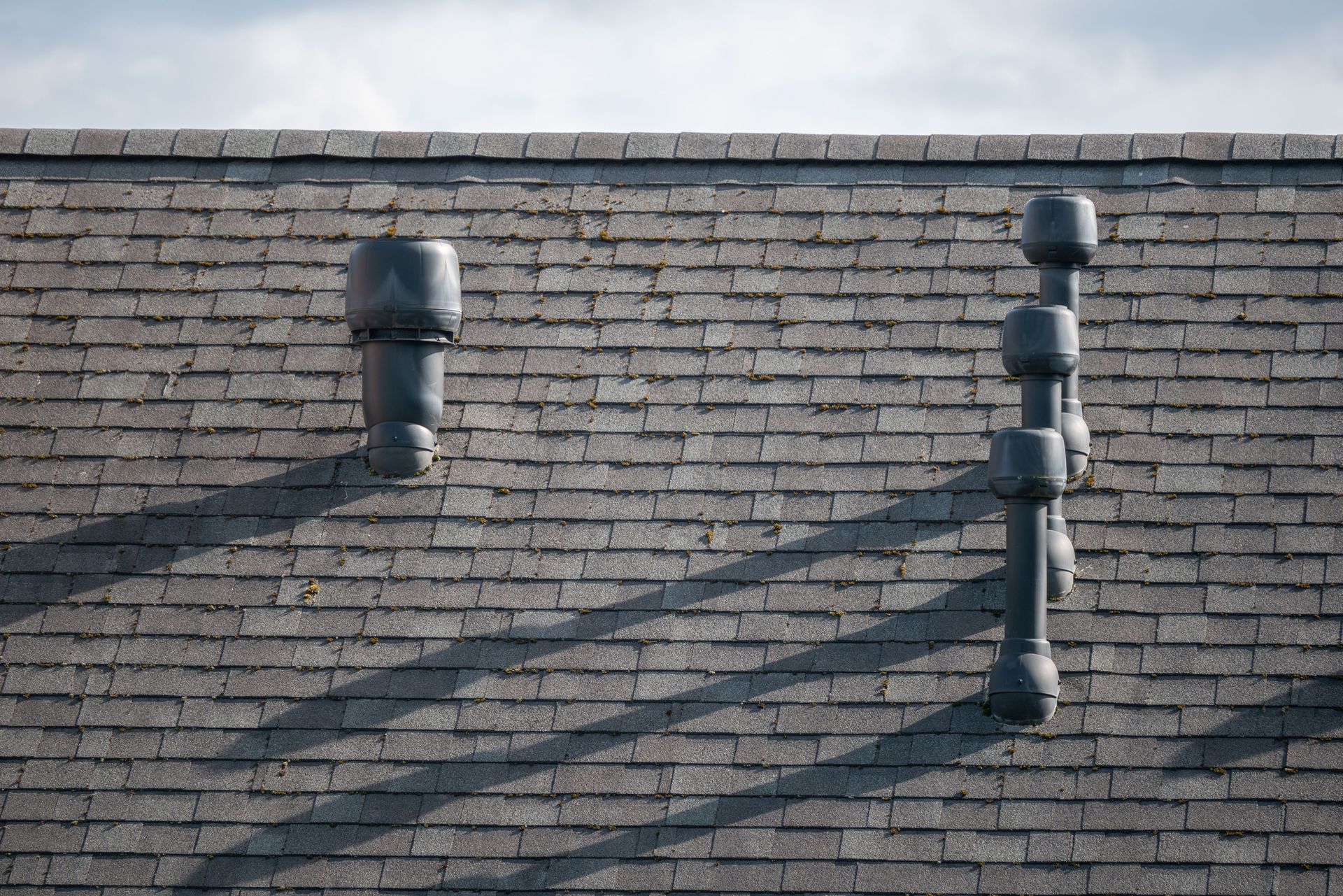
Ventilation also plays a major role. A poorly ventilated attic traps heat and moisture, baking shingles from below. This can cause curling, cracking, and premature aging. A professional installation ensures that intake and exhaust vents work together to maintain proper airflow.
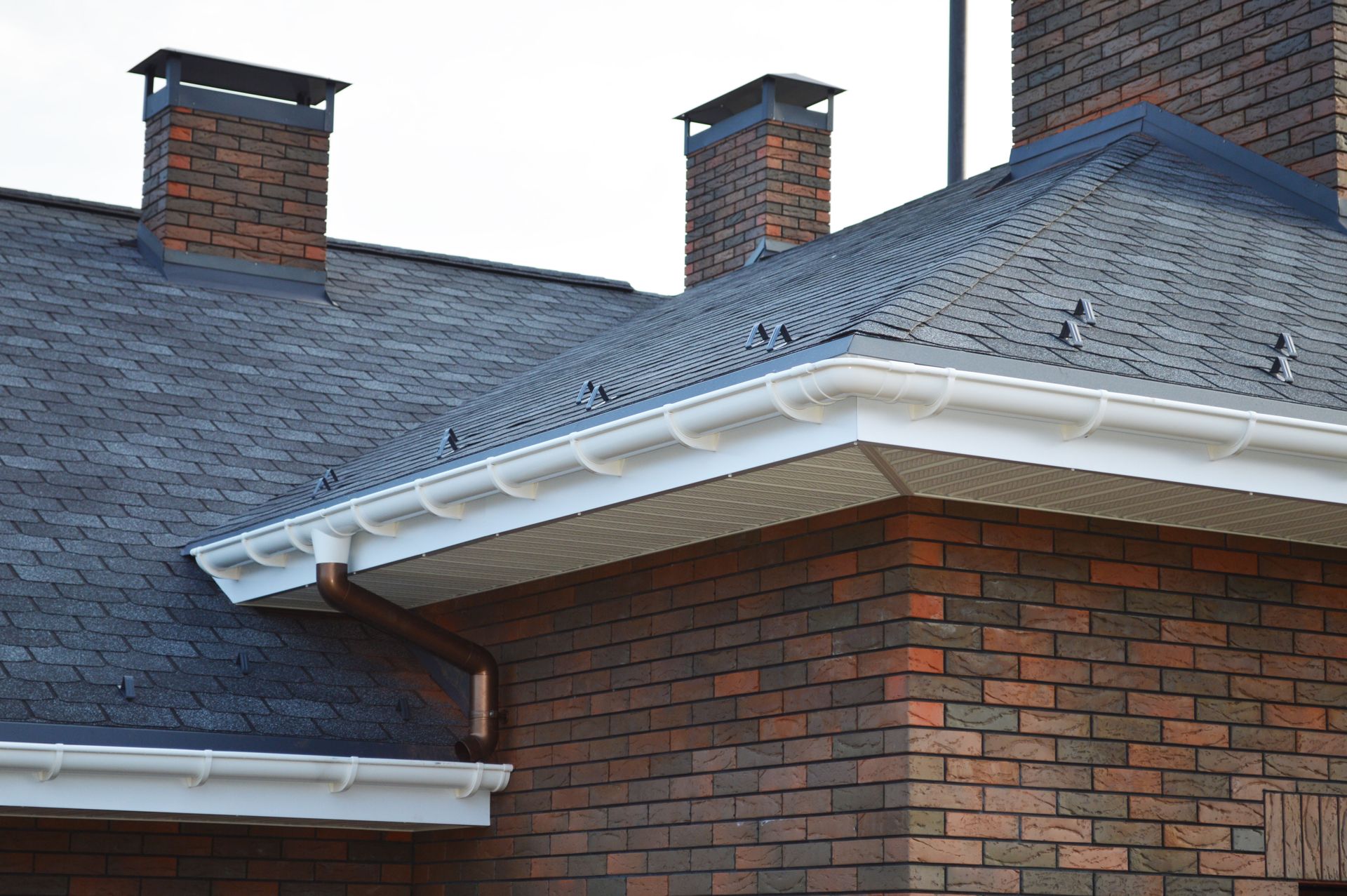
Maintenance habits matter too. Annual inspections help catch small issues like loose shingles, lifted edges, or damaged flashing. Addressing these problems early prevents leaks and structural damage. Even something as simple as keeping gutters clear can extend roof life by preventing water backup along the edges.
The quality of installation is often the most critical factor of all. A well-made shingle cannot perform if installed incorrectly. This is why many homeowners rely on a qualified local roofer who understands manufacturer guidelines, proper nailing patterns, and waterproofing techniques. Proper installation ensures shingles seal completely, stay anchored during storms, and shed water efficiently — leading to better long-term performance.
Learn How Weather and Environment Affect Shingle Performance
Climate plays a bigger role in roofing performance than many homeowners realize. Shingles experience constant exposure to sun, wind, rain, and seasonal temperature changes. Each of these environmental conditions affects the materials differently.
Sun and UV exposure: Intense sunlight can dry out shingles over time, causing them to become brittle. Granules are the primary defense against UV exposure, which is why granule loss is a key indicator that shingles are aging.
Wind: Wind uplift can break the seal strips beneath shingles. Once the seal is compromised, shingles become more vulnerable to tearing. In coastal or high-wind regions, shingles with higher wind ratings are recommended.
Rain and moisture: Persistent moisture exposes roofing materials to rot, mold, and decay. A properly installed underlayment provides a crucial secondary barrier that protects the roof deck.
Temperature fluctuations: Areas with rapid freeze-thaw cycles cause shingles to expand and contract, increasing wear and tear. Some shingles are manufactured specifically to withstand harsher climates.
Local environmental factors can be just as influential. Homes surrounded by tall trees may experience more debris accumulation. Homes near bodies of water may face higher humidity. A local roofer understands these factors and can recommend shingles designed for your area’s specific conditions.
Explore Why Professional Installation Matters
Even the highest-quality shingles cannot perform if they are installed incorrectly. Roofing is a system, not just a layer of shingles. Flashing, underlayment, ventilation, ridge caps, and sealing techniques all contribute to how well the roof performs. Mistakes in any part of the system can compromise its effectiveness.
Professional roofers follow manufacturer specifications for things like nail placement, spacing, overlap, and sealing. Incorrect nailing alone can void warranties and reduce wind resistance. Proper alignment ensures that water flows correctly and that no gaps allow moisture to penetrate.
A professional installation also includes thorough prep work. Old materials are removed, damaged decking is repaired, and flashing is replaced or reinforced. These details are often overlooked in DIY projects but have major long-term consequences.
Finally, professional roofers back their work with labor warranties. This gives homeowners added protection and peace of mind. Choosing a qualified installer ensures your investment lasts and performs as intended.
Shingles may seem straightforward, but they are part of a complex system designed to protect your home from the elements. From materials and structure to installation methods and ongoing maintenance, understanding these facts can help you make informed decisions when working with a local roofer. Each shingle plays a role in weather protection, energy efficiency, and the longevity of your roof. Whether you're considering a replacement, exploring different materials, or planning routine maintenance, knowing more about how shingles function ensures your home stays safe, durable, and attractive for many years to come. Contact Roof Rite today to schedule your hassle-free roofing quote.