May 12, 2026
In the construction and maintenance of a home, ensuring a durable roof is crucial. A long-lasting roof not only provides safety and security but also enhances the aesthetic appeal and value of your property. According to HomeGuide, roof underlayment typically lasts 20 to 30 years. This fact highlights how new materials can last for long amounts of time, but also reminds us of the importance of inspecting and replacing older roofing materials. Following these guidelines will equip you with the knowledge to make informed decisions for your roofing project.
1. Selecting the Right Roofing Material
Understanding Different Types of Roofing Materials
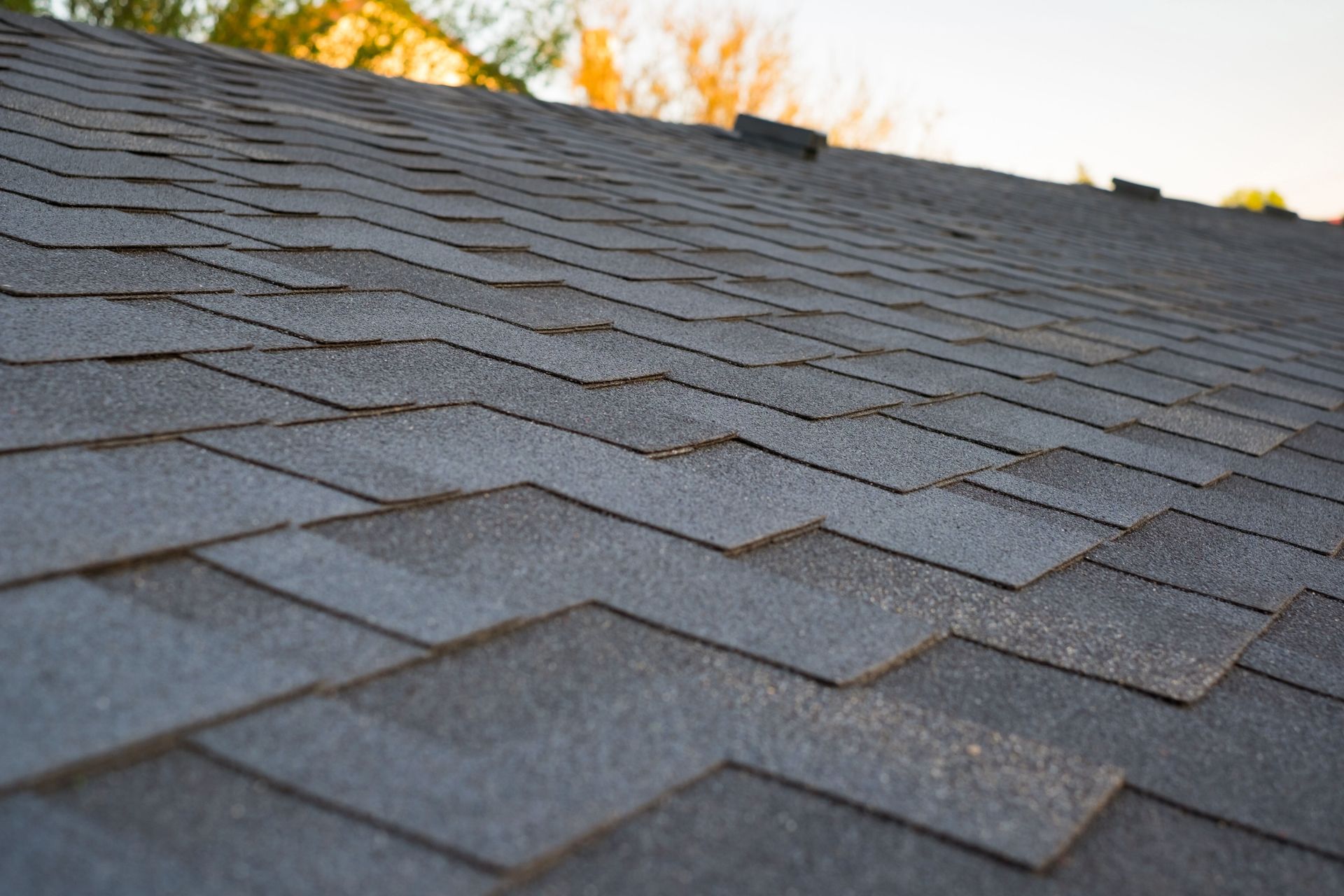
Choosing the right roofing material is foundational for ensuring a long-lasting roof. There are various options available, such as asphalt shingles, metal, wood, tile, and slate, each with distinct properties. Asphalt shingles are popular due to their affordability and ease of installation, while metal roofing offers superior durability and a sleek look. Tile and slate provide excellent longevity but come at a higher cost and require more complex installation. Understanding these materials and their properties will help you select the best option for your specific needs.
According to your local climate and environmental conditions, some materials might be more suitable than others. For instance, metal roofs perform exceptionally well in areas with heavy snowfall due to their slick surface, which allows snow to slide off easily. On the other hand, clay or concrete tiles might be more appropriate in warmer climates due to their excellent thermal resistance. Researching the materials best suited for your geographical area can lead to better performance and longevity.
Considering Climate Compatibility
The local climate plays a critical role in selecting the right roofing material. Areas prone to extreme weather conditions, such as hurricanes or heavy snow, necessitate materials that can withstand these forces. Metal roofs, for example, offer excellent resistance to high winds and are fire-retardant. Conversely, areas with milder climates might allow for a wider selection of materials without the added stress of harsh weather conditions.
Humidity and precipitation levels should also influence your choice. Roofing materials such as slate and tiles perform exceptionally well in wet conditions, thereby preventing water damage. Metal and slate also fend off mold and mildew, common issues in wet climates. Understanding how different materials react to humidity can help prevent future problems and costly repairs.
Seeking Expert Advice
When it comes to roofing, professional guidance can be pivotal. Consultants and roofing services provide insights that might not be readily apparent, such as the long-term performance of certain materials in your specific area. Their knowledge allows you to weigh the pros and cons of different materials and installation methods, tailored to suit your specific needs. Experts can often forecast potential issues based on your home’s architectural structure and local climate trends.
In addition, roofing services also offer peace of mind. They help streamline the decision-making process, offer design suggestions, and identify potential installation challenges. Professionals frequently have access to exclusive resources or technologies that enhance roofing durability and efficiency. They are highly adept at handling unexpected problems that arise during the roofing process, saving time and reducing potential headaches for the homeowner.
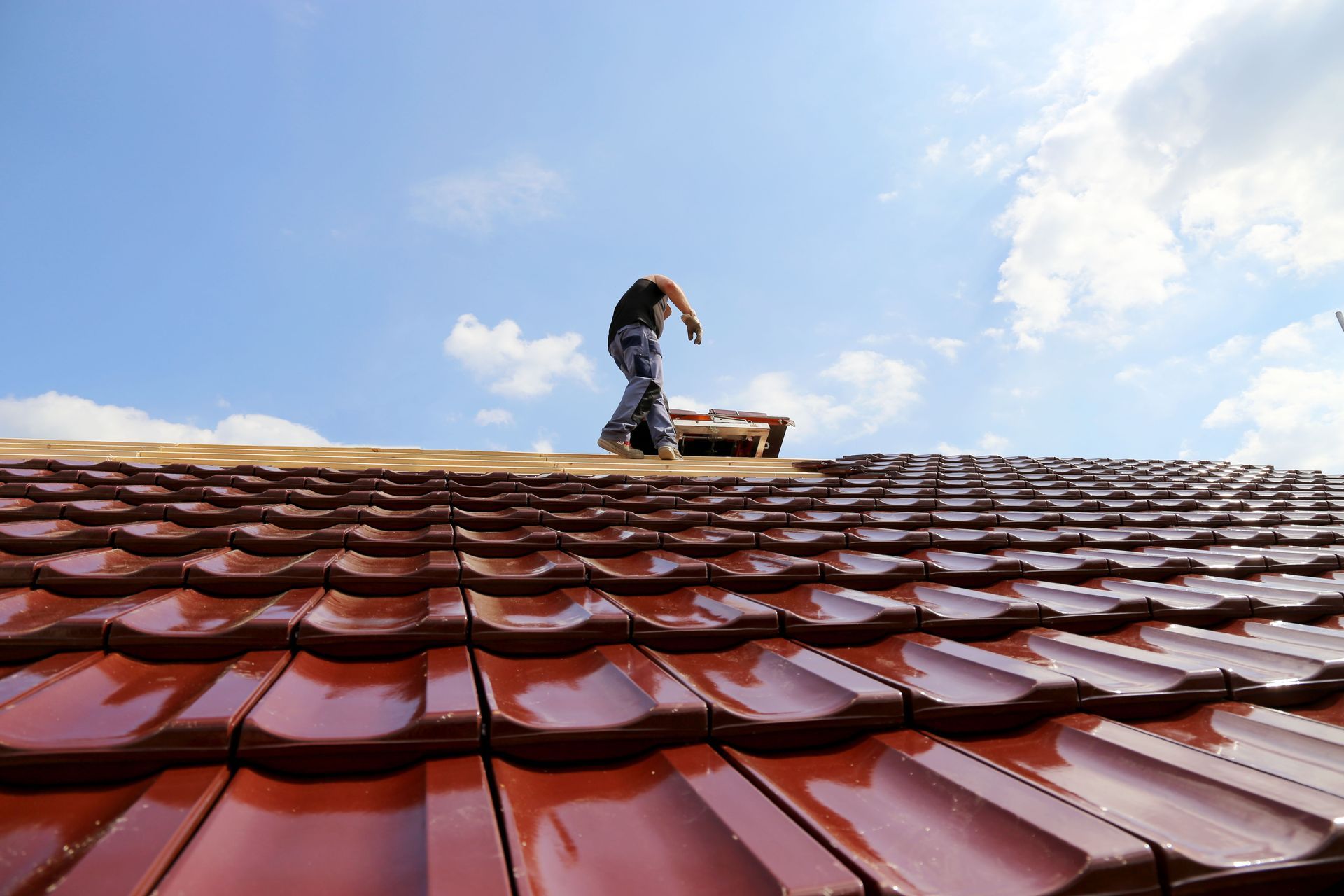
2. Hiring a Qualified Roofing Contractor
Verifying Licenses and Insurance
Ensuring that your roofing services hold the necessary licenses and insurance is crucial for a successful project. Licensed contractors have proven their competence and understanding of building codes, which are vital for meeting legal and safety standards. Their insurance coverage, including liability and workers' compensation, protects you from potential legal and financial liabilities arising from any accidents or damages on-site. Before hiring, always request to see a contractor’s credentials and verify their validity through state or local licensing bodies.
While it may be tempting to hire unlicensed contractors due to lower pricing, this often leads to severe risks and complications. Unlicensed work can result in poor-quality installation that might lead to roofing failures or the need for costly repairs. Additionally, without insurance, homeowners might be responsible for paying medical or legal expenses if workers are injured on the job. Protect yourself and your home by ensuring your contractor is properly credentialed and insured before work begins.
Evaluating Communication and Professionalism
The communication style of a roofing service often reflects their professionalism and dedication to quality service. Evaluate how promptly and clearly potential contractors respond to your inquiries at the initial consultation stage. Communication frequency and clarity throughout the project are paramount for avoiding misunderstandings and ensuring that the work progresses smoothly.
Additionally, professionalism is observed in the roofing service’s general demeanor and attention to detail. Carefully observe their punctuality, preparedness for meetings, and the extent of material presented during the proposal process. A contractor who values professionalism will likely conduct themselves similarly when working on your property. This includes maintaining respectful interactions with staff and minimizing disturbances as much as possible.
Reviewing Past Work and References
Reviewing a roofing service's past work and references is essential for understanding their quality and reliability. Ask to see a portfolio of completed projects similar in scope and scale to your own. This allows you to personally evaluate the quality of their work, attention to detail, and design aesthetic. Quality portfolios showcase a variety of projects across different material types, highlighting adaptability and skill.
Reputable roofing services will willingly provide a list of references from recently completed projects. Contact these references to gain firsthand insights into their experiences with the contractor. Ask questions regarding the timeline adherence, material quality, and problem-solving abilities of the contractor during their projects. Happy previous clients often signal the contractor’s reliability and ability to deliver quality results.
3. Ensuring Proper Installation Techniques
Overseeing Installation Practices
Active involvement in overseeing installation practices safeguards against errors and subpar work quality. Assist in project monitoring by checking that each stage aligns with agreed timelines and specifications. This vigilance prevents improper practices or corner-cutting, ensuring installations meet professional standards. A homeowner's oversight ensures every aspect is executed to the desired expectations.
Consider scheduling regular check-ins with the installation team to stay updated on progress and address any concerns or adaptations. Clear communication channels facilitate this oversight, with mutual understanding leading to smoother workflows. Active participation reassures vendors that their client's investment in the quality and durability of the work. Collaboratively assessing the project from start to finish ensures comprehensive alignment on project goals and methods.
Ensuring Proper Ventilation
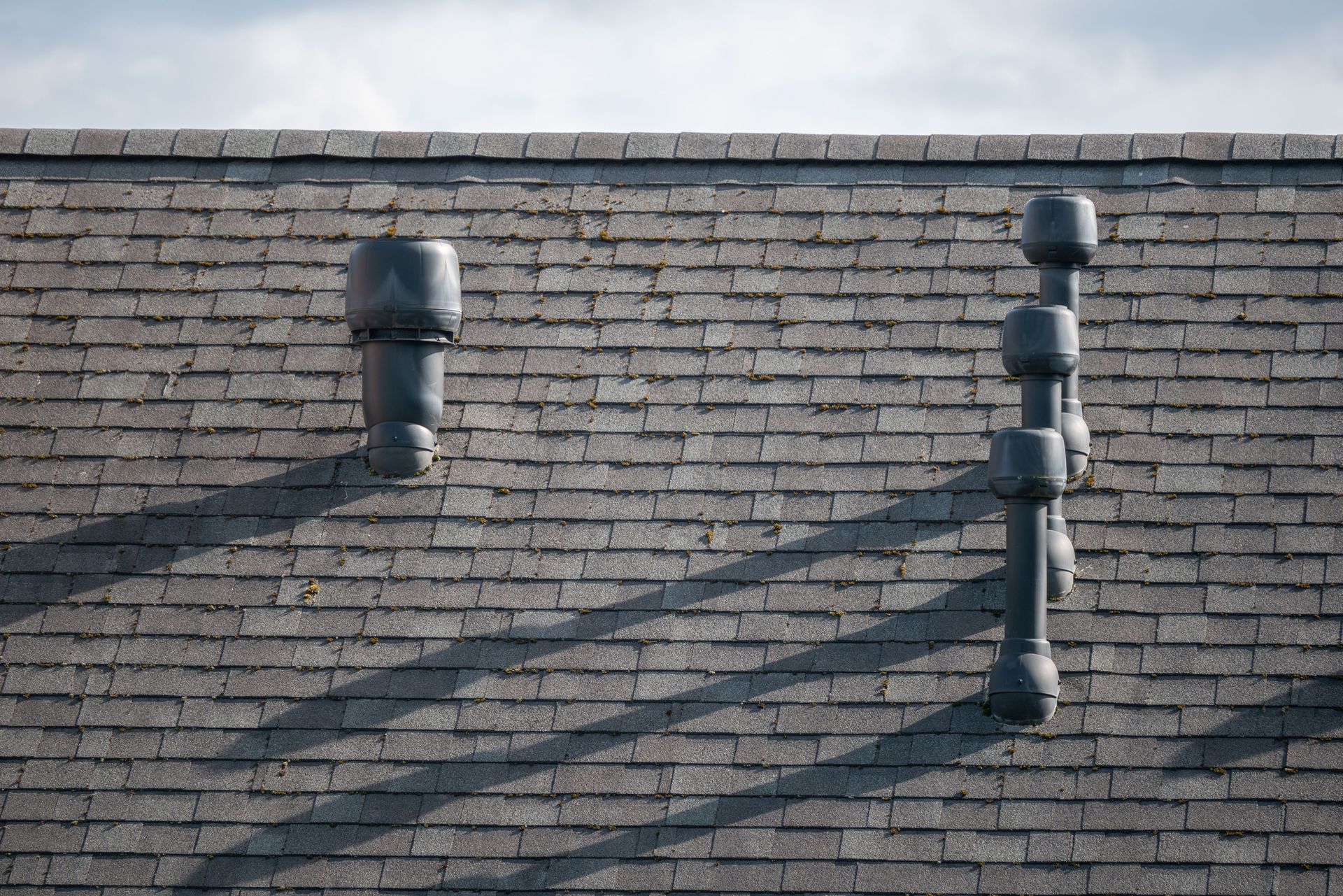
Proper roofing ventilation is crucial for prolonging a roof's lifespan. Adequate ventilation prevents heat and moisture buildup, which can lead to structural damage over time. Without sufficient airflow, wooden components might warp or rot, while shingles could become prematurely brittle. Prioritizing ventilation in your roofing plan protects your material investment and reduces future maintenance requirements.
Ventilation often involves a combination of intake and exhaust components, such as soffit vents, ridge vents, or gable vents. Discuss these options with your contractor and assess how they can integrate these elements into your design. Skilled installers should understand best practices in ventilation installation and factor them into your roofing plan. Just as a healthy airflow boosts durability, poor ventilation ruins otherwise high-quality installations
Scheduling Post-Installation Inspections
Post-installation inspections are critical for ensuring quality standards are met before the project is declared complete. These inspections allow for the identification and correction of any defects, inaccuracies, or incomplete work. Conducted by a neutral third-party or the original contractor, these assessments evaluate integration quality and client satisfaction. Completed projects require this additional inspection measure to ensure adherence to labor and material expectations.
Post-inspection documentation detailing inspections and findings provides clarity and peace of mind for homeowners. Reports can verify that the project fulfills all outlined agreements and parameters. Commending contractors for satisfactory work promotes trust and a positive rapport that may later prove invaluable for ongoing maintenance needs. The final acknowledgment empowers both parties with confidence and validation that efforts meet personal and industry standards.
Ultimately, the durability of your roof is determined by the care taken during its inception. While the process requires diligent oversight and proactive communication with your chosen roofing services, the reward is a secure, aesthetically pleasing, and high-value home. By following these comprehensive guidelines, you can move forward with your roofing project with the confidence that you have built a foundation of safety and quality that will endure for years to come. To help bring your new roof to life, reach out to Roof Rite today for expert service, knowledge, and communication.