April 16, 2026
A roof is one of the most critical components of your home, providing essential protection against weather, water damage, and structural issues. It acts as the first line of defense against rain, snow, wind, and the sun’s harsh rays, helping to maintain the safety and comfort of your living space. Understanding the importance of regular maintenance starts with knowing what a roof inspection involves and how it can prevent small problems from turning into major headaches.
Many homeowners don’t realize how quickly minor damage can worsen over time. A small leak may seem insignificant, but left unchecked, it can lead to water damage, mold growth, or structural deterioration. A thorough inspection allows roofing professionals to identify these problem areas, assess the overall condition of the roof, and provide recommendations for maintenance, repair, or preventive measures. Regular roof inspections help maintain the integrity of your home, extend the lifespan of your roofing materials, and protect your investment.
How Often Should You Schedule a Roof Inspection?
Knowing how frequently to schedule a roof inspection is essential for proactive maintenance. Most professionals recommend having a roof inspected at least once a year to ensure it remains in good condition. According to This Old House, most experts advise homeowners to schedule a roof inspection with a qualified professional at least one time each year. Annual inspections allow problems to be detected early, from minor leaks and damaged shingles to issues with flashing or gutters. By keeping up with routine inspections, homeowners can prevent costly damage and maintain the long-term performance of their roof.
What Preparations Should You Make Before an Inspection?
Before a roof inspection, it’s helpful to prepare your home and gather relevant information. Note any areas where you’ve noticed leaks, water stains, or other signs of damage. This will help the inspector focus on potential problem spots. Homeowners should also clear any debris from gutters and ensure that the surrounding area is safe and accessible. Removing obstacles allows the inspector to conduct a more thorough assessment. If possible, provide information about the age of your roof, the type of roofing materials, and any past repairs. This background information can help the inspector make more accurate recommendations for maintenance or repair.
What Happens During a Roof Inspection?
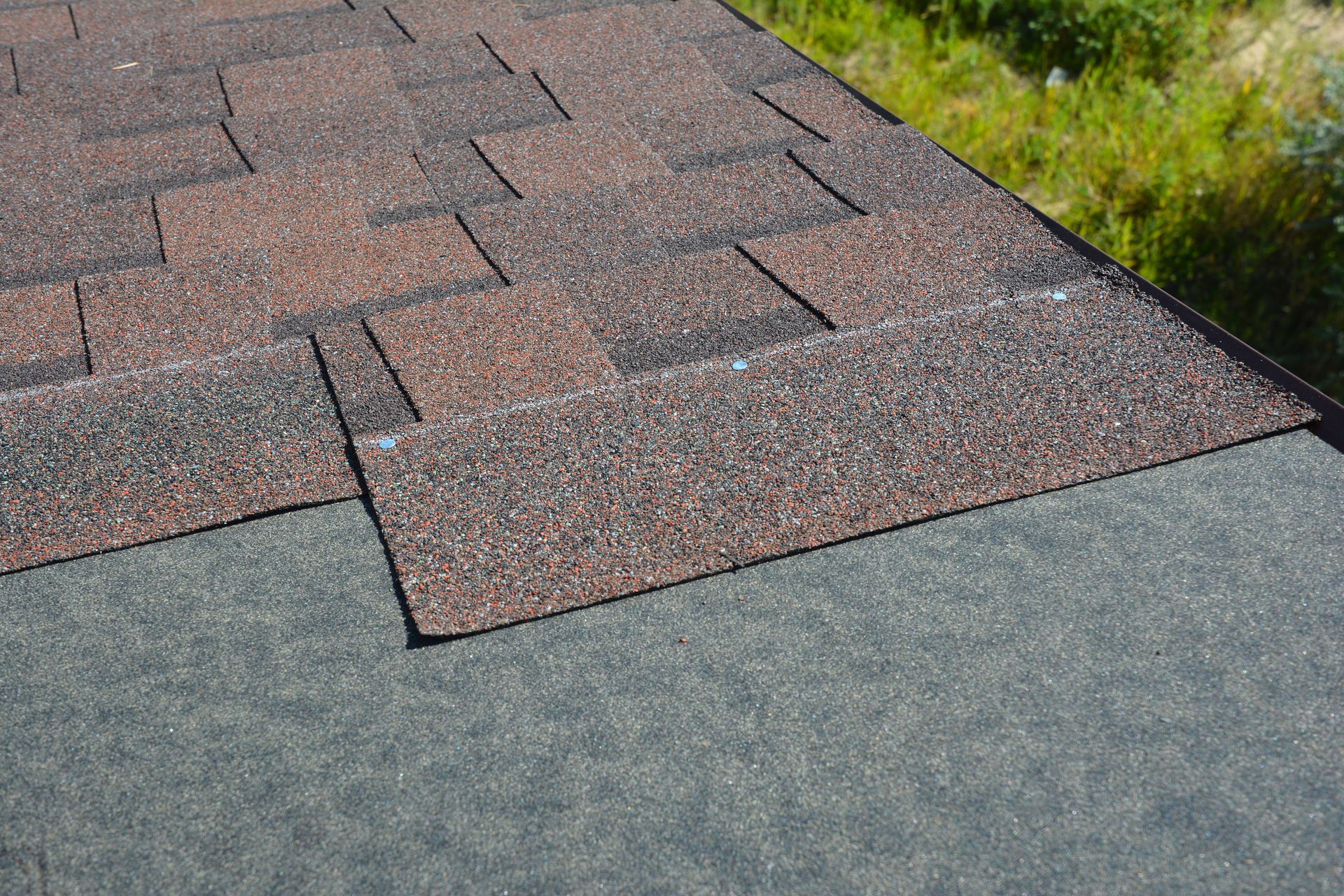
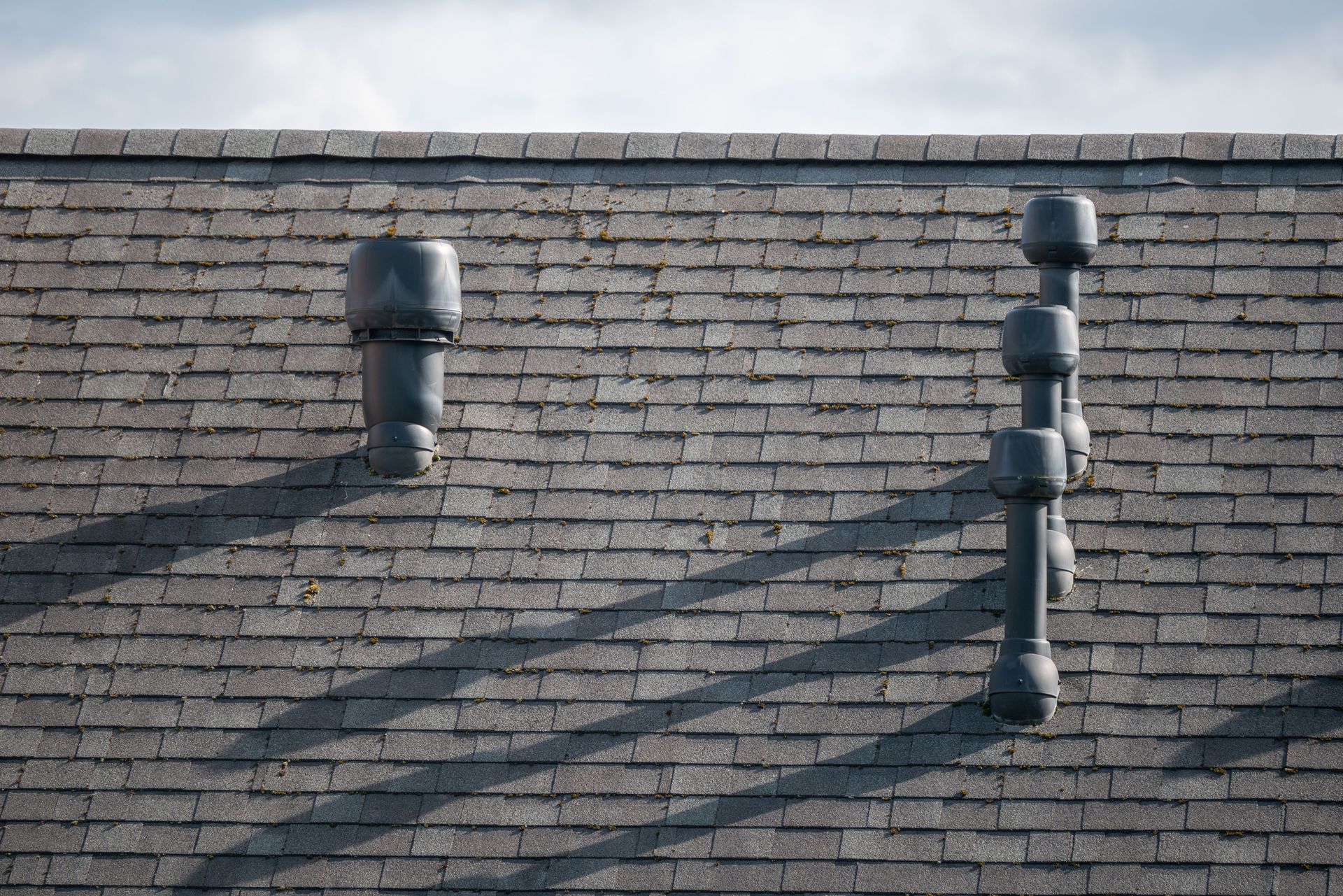
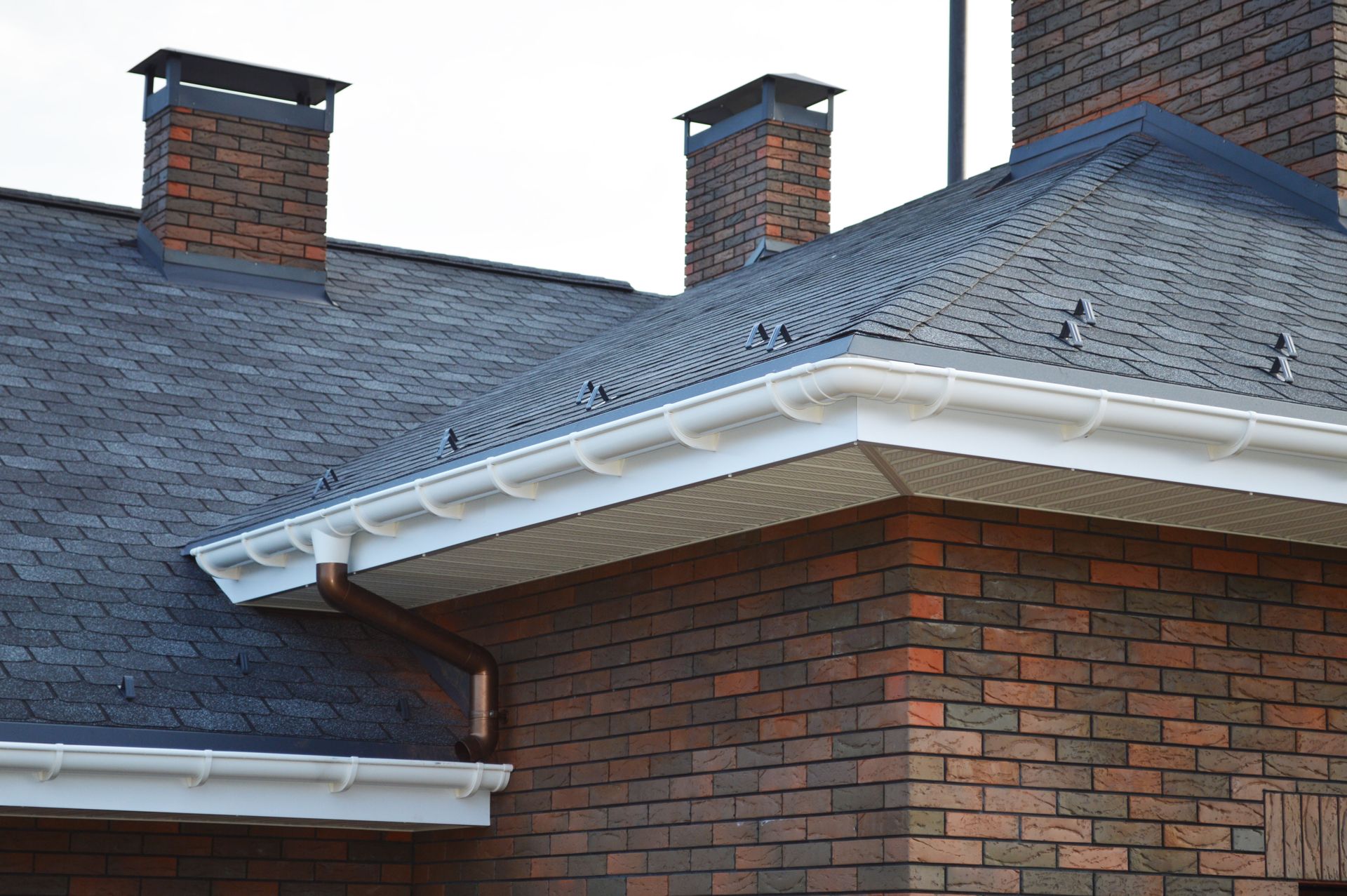
A professional roof inspection typically involves several key steps designed to assess the overall condition and safety of your roof. Inspectors start by examining the exterior, looking for signs of wear, damage, or structural concerns. This may include checking shingles, flashing, gutters, vents, and chimneys. Inspectors also examine the interior of the home for water stains, leaks, or other indicators of roof problems. In addition, they may inspect the attic to evaluate ventilation, insulation, and any signs of moisture or mold. Roof inspections are comprehensive assessments that cover both visible and hidden areas to provide a complete picture of your roof’s health.
How Roof Inspectors Identify Common Issues
Professional inspectors have the expertise to detect both obvious and subtle roofing problems. Common issues include missing, cracked, or curled shingles, damaged flashing, clogged gutters, and areas of water accumulation. Roof inspectors also check for signs of wear due to age, weather, or improper installation. By identifying these issues early, homeowners can address repairs before they escalate into major problems. A thorough roof inspection ensures that small concerns, such as a single damaged shingle, do not lead to leaks, structural damage, or costly replacements. Regular inspections also help preserve warranties and maintain the overall value of your home.
How Inspectors Document Findings and Recommendations
After a roof inspection, the professional will provide a detailed report outlining the condition of the roof. This report typically includes photographs of problem areas, descriptions of observed damage, and recommendations for maintenance or repairs. Homeowners can use this report to prioritize necessary work and plan for future maintenance. It also provides a baseline for tracking the condition of the roof over time. Clear documentation ensures that both the homeowner and the inspector are on the same page regarding the current state of the roof and any recommended actions.
How Roof Inspections Can Save Money Over Time
Investing in regular roof inspections may seem like an additional expense, but it can save homeowners significant money in the long run. By identifying and addressing minor problems early, inspections prevent costly repairs or premature roof replacements. For example, detecting a small leak early can prevent water damage to your home’s interior, structural elements, and insulation. Inspections also help extend the life of your roofing materials, delaying the need for a full replacement. Homeowners who schedule regular inspections often find that the cost of routine maintenance is far lower than the expense of repairing major damage.
What Homeowners Can Expect During Follow-Up or Repairs
If the roof inspection reveals areas of concern, the inspector will discuss next steps and recommend appropriate repairs or maintenance. This could range from minor fixes, such as replacing shingles or sealing leaks, to more extensive work, such as roof replacement. Homeowners should expect clear explanations of repair options, estimated costs, and timelines for completing the work. Professional roof inspectors often coordinate with roofing contractors to ensure that repairs are done correctly and efficiently. Follow-up actions are designed to restore the roof’s integrity and protect the home from further damage.
How to Maintain Your Roof Between Inspections
Even with regular professional inspections, homeowners can take steps to maintain their roof throughout the year. Simple maintenance tasks include keeping gutters and downspouts clear, trimming overhanging tree branches, and checking for visible signs of damage after severe weather. Maintaining proper ventilation and insulation in the attic also helps prevent moisture buildup, which can lead to mold or rot. Homeowners who actively maintain their roofs reduce the likelihood of major problems and maximize the benefits of professional inspections. Routine upkeep complements professional assessments and contributes to a longer-lasting roof.
How to Choose a Qualified Professional for Your Roof Inspection
Selecting a qualified professional is essential to getting an accurate assessment of your roof’s condition. Look for inspectors with proper licensing, insurance, and experience in residential roofing. Reading client reviews and asking for references can help ensure that you choose a reputable expert. A qualified professional will provide a thorough inspection, clear documentation, and actionable recommendations. They should also be willing to answer questions and explain their findings in a way that is easy for homeowners to understand. Choosing the right inspector ensures that your investment in a roof inspection delivers maximum value.
Understanding the Benefits of Regular Roof Inspections
Regular roof inspections offer peace of mind, protect your home’s value, and prevent costly repairs. Knowing the condition of your roof allows you to plan for maintenance or replacement and avoid emergencies caused by sudden leaks or structural failures. Inspections also provide insight into the overall performance of your roofing system, including ventilation, insulation, and drainage.
By staying proactive, homeowners can maintain a safe, durable, and aesthetically pleasing roof, safeguarding both their home and investment.
Protect your home and extend the life of your roof with a professional roof inspection. Roof Rite offers comprehensive inspections, detailed reports, and expert recommendations to help you maintain a strong, reliable roof. Schedule your roof inspection today with Roof Rite and ensure your home is safe, secure, and ready for years to come.