May 20, 2026
The integrity of a residential structure often relies entirely on the strength of its uppermost barrier. When dark clouds gather on the horizon and the wind begins to howl, homeowners frequently feel a sense of dread regarding the potential for property damage. Preparing for these atmospheric events requires more than just a cursory glance at the shingles. It demands a level of expertise that only seasoned roofers can provide. These professionals understand the physics of wind uplift and the devastating impact of debris. By engaging in proactive maintenance and structural reinforcement, property owners can significantly mitigate the risks associated with turbulent weather patterns. This guide explores the systematic approach experts take to ensure a building remains watertight and secure during the most challenging conditions.
Assessing Current Structural Vulnerabilities
Before any physical labor begins, specialists conduct a comprehensive evaluation of the entire system. This process involves identifying weak points that might fail under intense pressure. Professionals look for signs of age, such as brittle materials or loose fasteners, which could serve as entry points for water. Because moisture is the primary enemy of structural wood, finding these gaps is essential. Experienced roofers utilize specialized tools to detect hidden leaks that are not visible to the untrained eye. This assessment serves as the foundation for a customized reinforcement plan tailored to the specific architectural style of the home.
Securing Loose Shingles and Tiles
One of the most common causes of failure during high winds is the peeling of surface materials. When a single shingle becomes detached, it creates a pathway for air to get underneath the remaining layers. This "uplift" effect can strip a large section of the covering in a matter of moments. To prevent this, experts apply industrial-grade adhesives and additional fasteners to ensure every piece is locked in place. By reinforcing the perimeter and the ridge caps, roofers create a continuous shield that is much harder for the wind to penetrate. This meticulous attention to detail ensures that the primary defensive layer remains intact even as gusts reach dangerous speeds.
Enhancing Water Drainage Systems
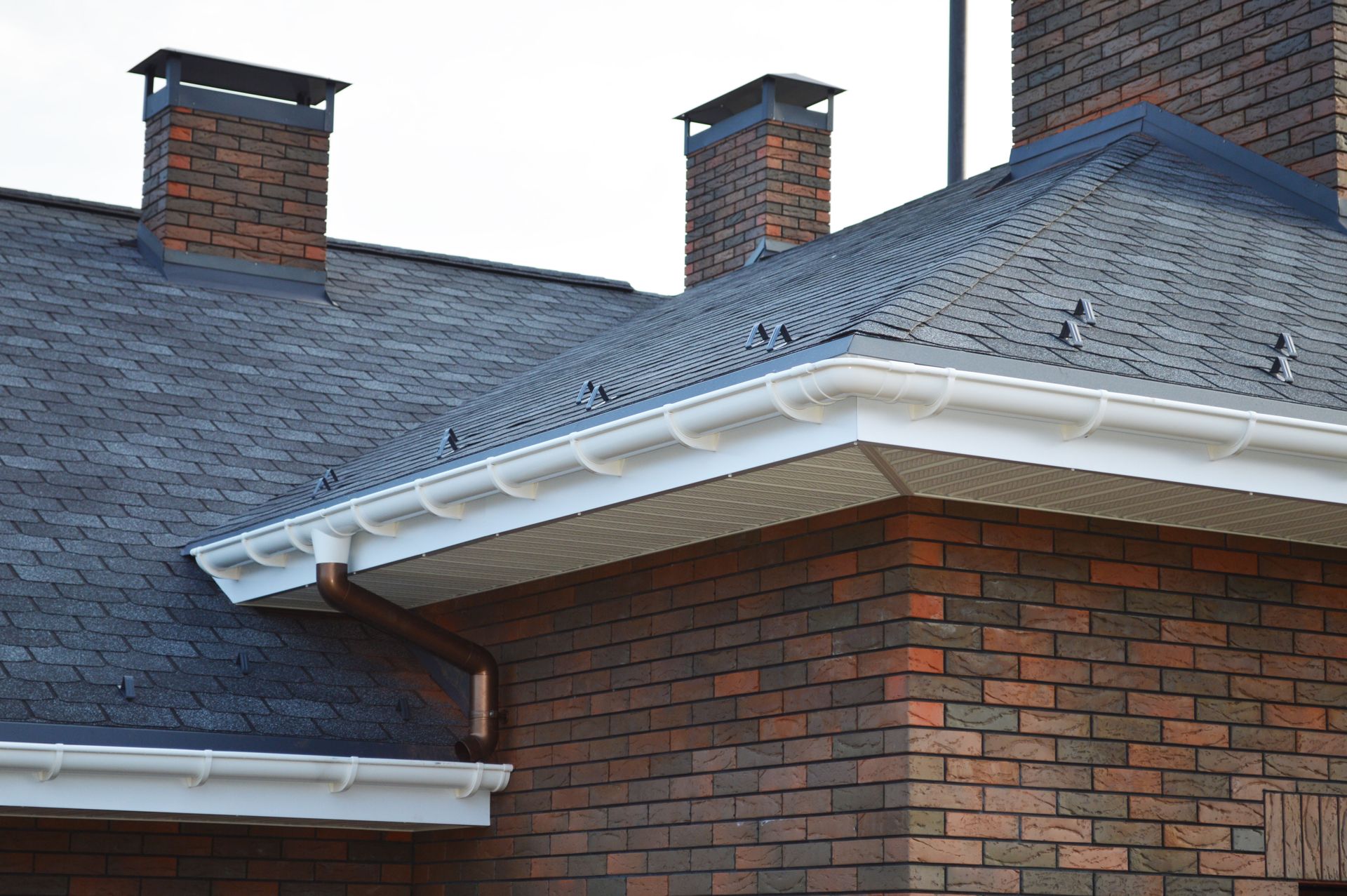
Severe weather almost always brings a deluge of rain, and if that water has nowhere to go, it will pool in dangerous areas. Clogged gutters and downspouts are a recipe for disaster, as they allow water to back up under the eaves and into the attic space. Professionals prioritize the cleaning and structural reinforcement of these drainage channels. They ensure that every bracket is secure and that the pitch of the gutters allows for maximum flow. Furthermore, they check the valleys—those areas where two slopes meet—to ensure they are clear of debris and properly flashed. When roofers optimize the drainage system, they effectively move thousands of gallons of water away from the foundation and walls.
Inspecting Attic Ventilation and Insulation
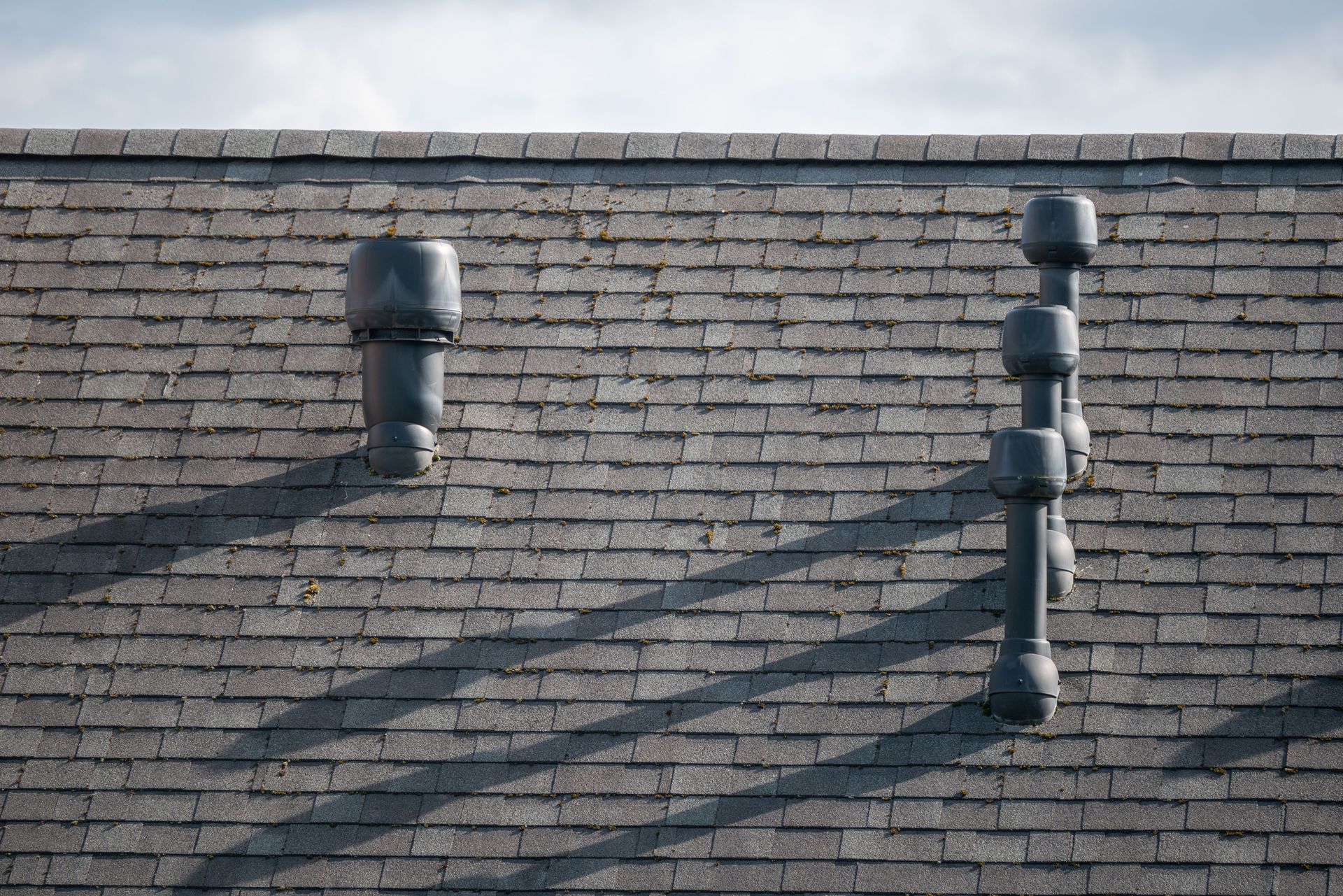
A roof is an integrated system that includes the space directly beneath it. Proper ventilation is critical during a storm because it helps equalize pressure between the interior and exterior of the home. If pressure builds up inside the attic without a way to escape, it can actually push the roof deck upward, causing catastrophic failure. Experts examine the intake and exhaust vents to ensure they are unobstructed. Additionally, they check the insulation to make sure it has not shifted, as consistent thermal protection helps prevent the formation of ice dams in colder climates. Qualified roofers know that a well-ventilated attic is just as important as the shingles themselves when it comes to surviving a major weather event.
Reinforcing Flashing and Chimney Seals
The areas where the roof meets a vertical surface, such as a chimney, skylight, or vent pipe, are notorious for leaks. These transition points rely on flashing—typically strips of metal—to redirect water. Over time, the sealant around these areas can crack or pull away due to thermal expansion. During a heavy downpour, these cracks become conduits for water. Specialists spend a significant amount of time resealing these joints with high-performance membranes. When roofers inspect these critical junctions, they often find small issues that would have turned into major emergencies during a hurricane or thunderstorm. Ensuring these seals are airtight is a non-negotiable step in the preparation process.
Understanding the Impact of Impact Damage
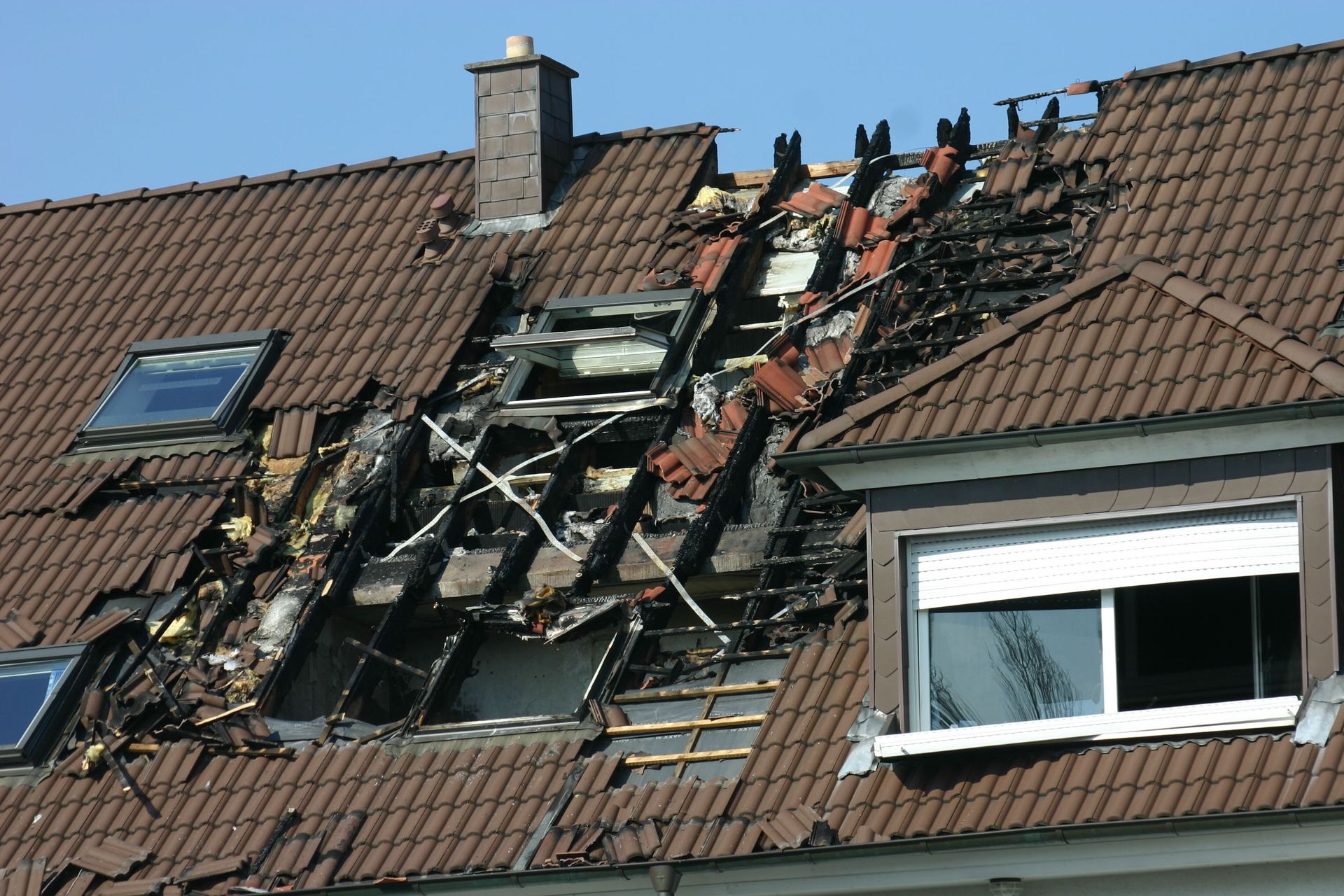
While wind and rain are significant threats, solid precipitation poses a unique set of challenges for any building. According to Roofer's Guild, hailstorms are expected to be the number one cause of roofing emergencies in 2023, with data suggesting the U.S. experiences over 3,700 hailstorms annually. This reality makes it imperative for homeowners to consider impact-resistant materials. These specialized products are designed to withstand the force of falling ice without cracking or losing their protective granules. Professionals can provide guidance on which materials offer the best protection against these frequent atmospheric events. By upgrading to higher-rated components, property owners can avoid the cycle of repair and replacement that often follows a volatile season.
Minimizing Surrounding Environmental Hazards
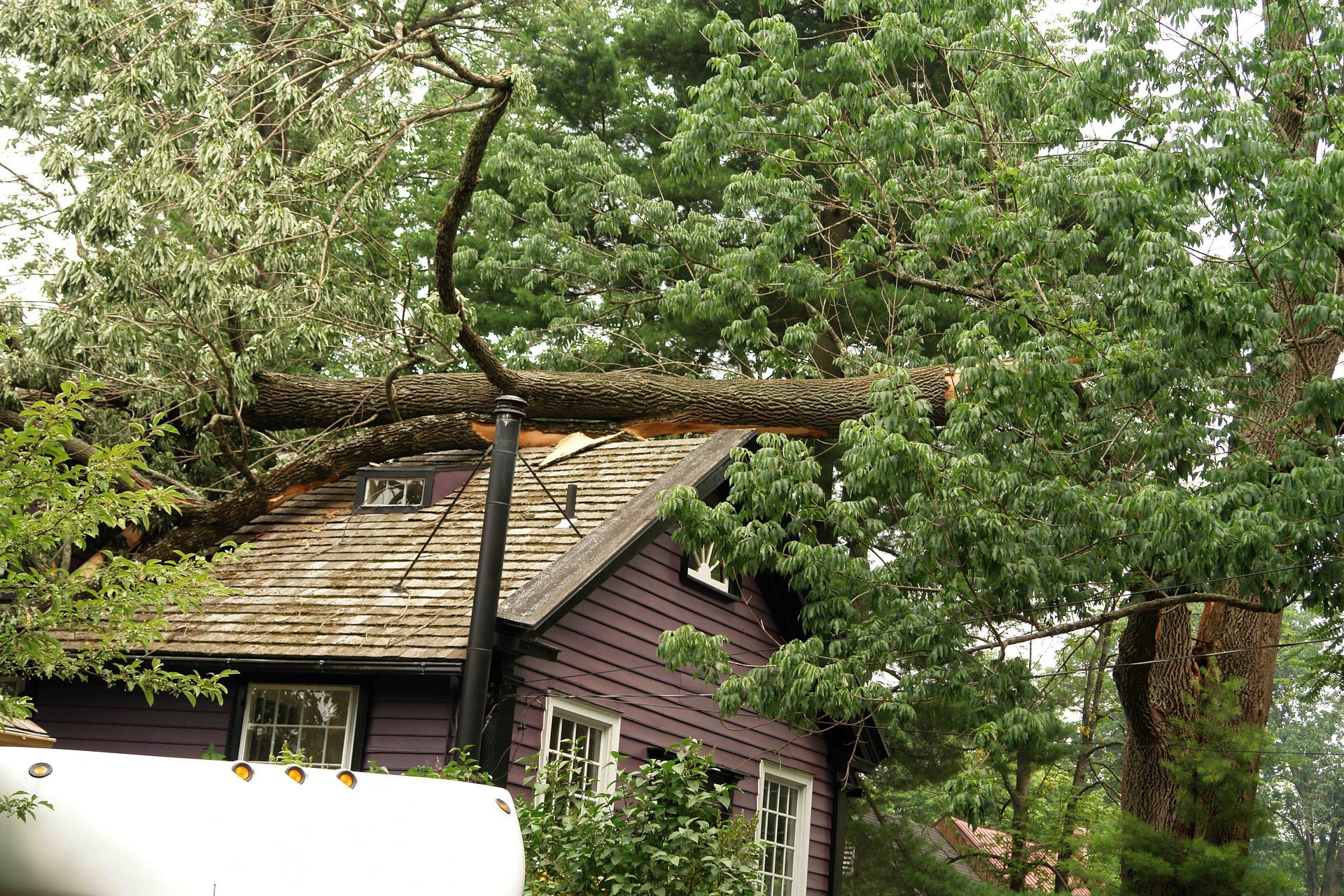
Preparation is not limited to the structure itself; it also includes the immediate environment. Overhanging tree branches act like hammers during a storm, repeatedly striking the surface and causing mechanical damage. In extreme cases, entire trees can fall, causing structural collapse. Experts recommend a clear zone around the perimeter of the house.
- Remove dead or dying branches that could snap under tension.
- Trim limbs so they are at a safe distance from the shingles.
- Clear away leaf litter from the valleys to prevent rot.
- Secure any loose yard items that could become airborne projectiles.
- By taking these external precautions, roofers help ensure that the primary defense remains uncompromised by outside forces.
Implementing Long-Term Maintenance Strategies
The best way to handle a crisis is to prepare for it long before it arrives. A roof that is neglected for years is far more likely to fail than one that receives regular professional attention. Scheduling biannual inspections allows for the discovery of minor issues before they escalate. These checkups are especially important after the winter season and before the peak of summer storm activity. During these visits, roofers can perform "tune-ups" that include replacing individual damaged shingles and checking the integrity of the underlayment. This proactive philosophy saves money over time and provides peace of mind when the weather turns sour.
The strength of a home is a reflection of the care put into its maintenance. While nature can be unpredictable and destructive, the methods used by professionals are proven to reduce the likelihood of total failure. From the initial inspection to the final application of sealant, every step taken is a layer of protection for the family living beneath. No one wants to be caught off guard by a leaking ceiling or a missing section of shingles in the middle of the night. By investing in professional preparation, you are ensuring that your property remains a safe haven regardless of the conditions outside.
Taking action now is the most effective way to protect your largest investment. Do not wait for the first drop of rain to start thinking about the health of your home. Reach out to the experts at Roof Rite today to schedule a comprehensive storm readiness inspection and ensure your property is ready for whatever the season brings. We look forward to hearing from you!