August 15, 2026
Maintaining a sturdy overhead shelter remains among the most critical aspects of owning a property. A well-built structure overhead shields occupants from harsh weather, regulates internal temperatures, and preserves the structural integrity of a building. However, managing this complex system requires specialized knowledge, regular oversight, and timely attention. Many property owners remain unaware of what comprehensive maintenance entails until a minor issue escalates into a major structural problem. Understanding how these systems function and what care is necessary allows individuals to make informed decisions before serious damage occurs.
Professional care covers a broad spectrum of care designed to protect residential buildings from environmental wear and unexpected damage. Whether dealing with minor leaks, deteriorating materials, or complete system replacements, having access to skilled assistance ensures long-term safety and stability. Navigating this field can feel overwhelming without clear guidance. By learning about basic maintenance concepts, common material options, and routine inspection protocols, property owners can confidently manage their properties. Selecting professional roofing services offers peace of mind, knowing that qualified experts are addressing critical architectural needs with precision.
Understanding Professional Maintenance Solutions
The primary purpose of specialized care is to safeguard structures from water intrusion, wind resistance issues, and general atmospheric decay. Every building relies on a multi-layered system designed to shed water efficiently and provide structural insulation. When a component of this system fails, neighboring materials often suffer quick deterioration. Professional technicians possess the training required to assess these layered systems, identify early indicators of weakness, and implement corrective measures before catastrophic failures occur. Comprehensive evaluations look at every angle of the architectural layout, ensuring hidden vulnerabilities are discovered before moisture causes permanent degradation to internal framing.
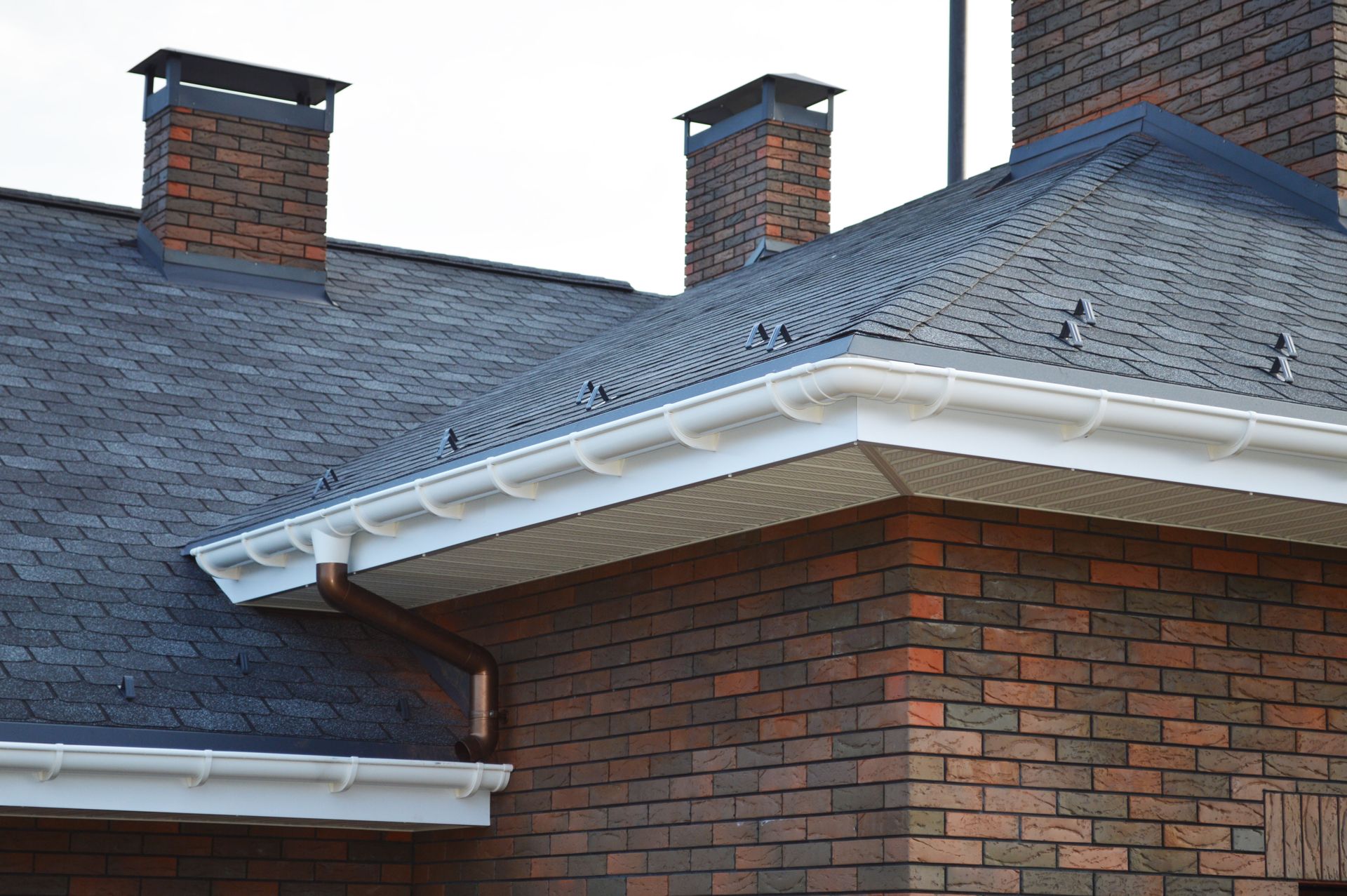
Engaging professional technicians ensures that every aspect of the overhead assembly receives thorough attention. Qualified specialists examine flashing, underlayment, ventilation vents, and drainage pathways to confirm that water moves away from the foundation smoothly. Utilizing expert roofing services allows property owners to extend the lifespan of their architectural covers while minimizing the risk of internal moisture damage. Routine attention from trained specialists ensures that small vulnerabilities are addressed proactively, preserving the underlying framework, preventing interior ceiling stains, and maintaining overall home safety throughout every season.
Identifying Common Indicators of Damage
Detecting issues early can prevent widespread destruction within a home. Moisture intrusion often leaves subtle clues long before water begins dripping from a ceiling. Property owners should periodically monitor interior spaces for unusual discoloration, peeling paint near ceiling lines, or damp odors in upper stories. On the exterior, missing shingles, curled edges, and loose granules resting in drainage gutters signal that materials are losing their protective capacity. Ignoring these early warnings can lead to structural rot, mold proliferation, and compromised indoor air quality that affects the household environment.
Environmental factors such as severe storms, high winds, and continuous solar exposure accelerate natural degradation over time. When severe weather passes, scheduling an evaluation with experienced providers of roofing services helps identify hidden structural damage. Expert technicians know where to look for subtle fractures, displaced fasteners, and flashing separations that casual observers might easily overlook. Prompt attention to these warning signs keeps the protective envelope intact and prevents minor exterior flaws from expanding into major interior structural challenges.
Evaluating Overhead Materials and Dimensions
Selecting appropriate materials involves evaluating climate conditions, architectural styles, and longevity expectations. Traditional asphalt options remain popular due to their durability and versatile appearance. Alternative solutions, such as standing seam metal, natural slate, and composite tiles, offer enhanced resistance against fire, high winds, and heavy precipitation. According to Roofer's Guild, a typical single-family home's overhead surface across the nation covers approximately 1,600 square feet. Understanding the scale of this surface area reinforces the necessity of choosing high-performing materials tailored to regional climate demands.
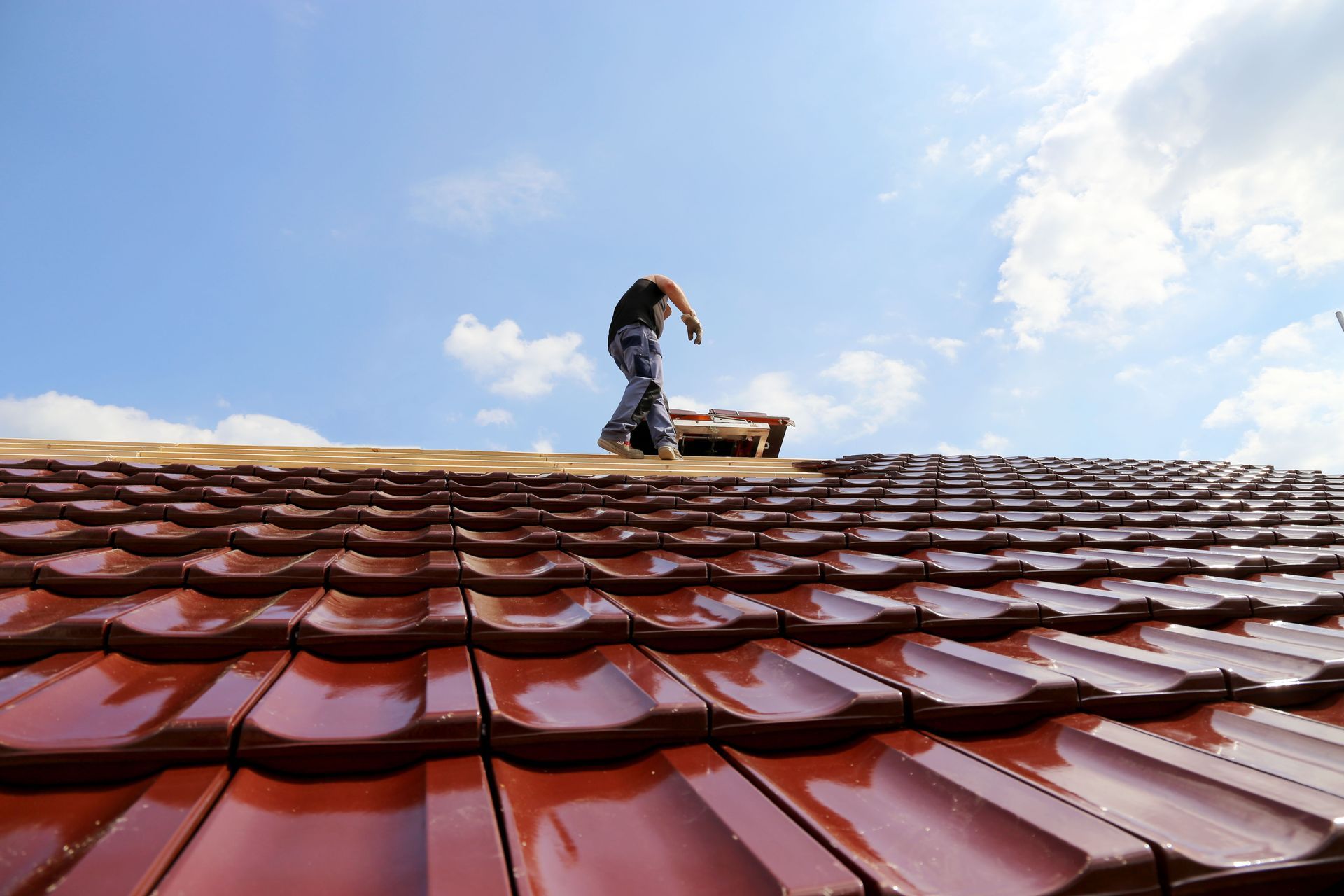
Proper installation techniques are just as vital as material quality. Even high-grade materials will fail prematurely if underlayment barriers are misplaced or fasteners are driven incorrectly. Relying on specialized roofing services guarantees that material manufacturers' precise guidelines are strictly followed during every phase of installation. Correct assembly creates a continuous barrier against rain, ice, and wind-driven debris. Property owners who prioritize expert craftsmanship ensure that their selected materials deliver optimal performance throughout their intended operational lifecycle, keeping interior spaces dry and secure.
Scheduling Regular System Inspections
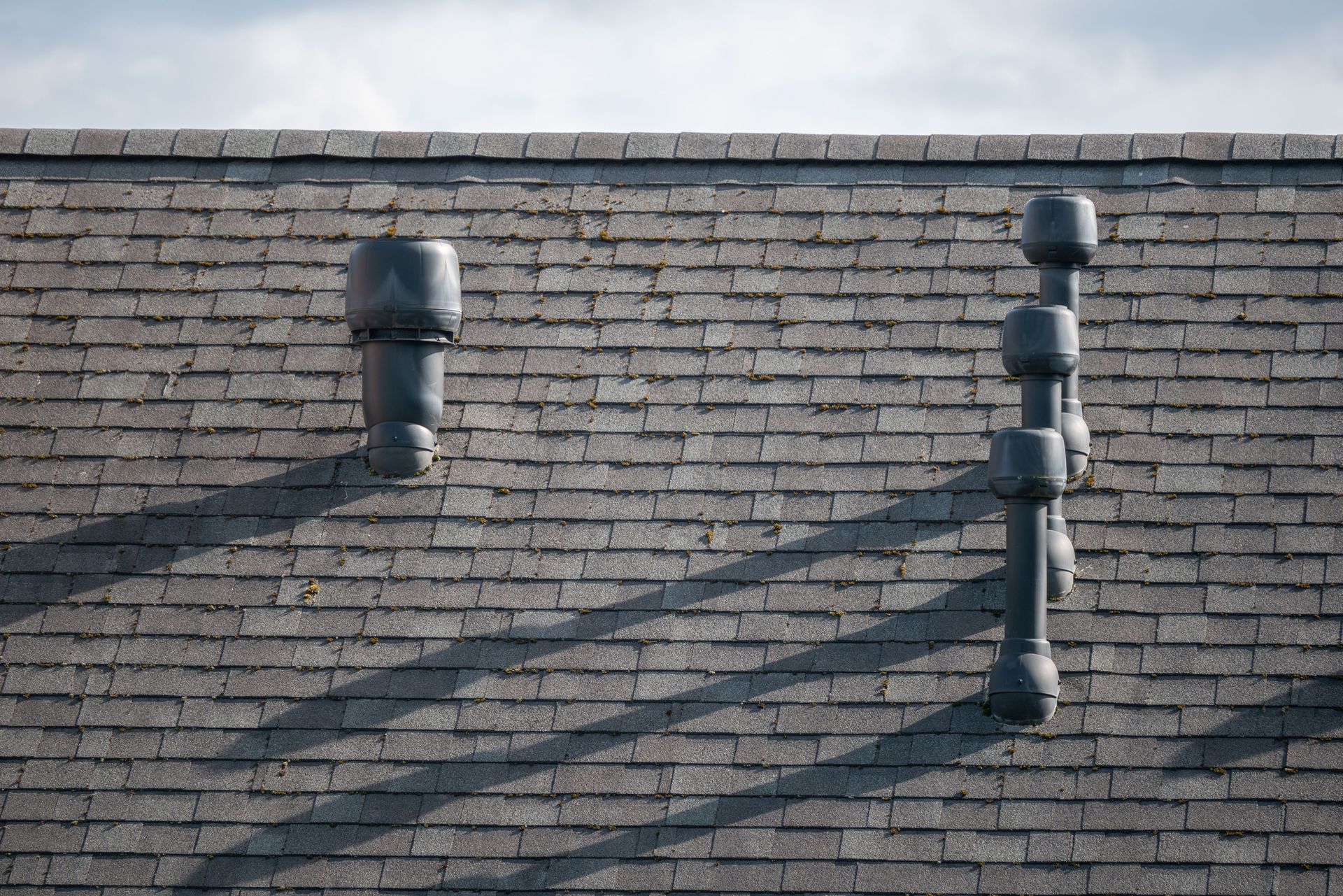
Preventative care forms the cornerstone of sound property management and long-term building preservation. Routine inspections allow specialists to evaluate structural health, clear accumulated debris, and verify that ventilation channels remain unobstructed. Blocked vents can trap excess heat and moisture within attic spaces, accelerating material decay from underneath during warm periods and causing severe ice dams during freezing atmospheric conditions. Comprehensive assessments ensure that heat and airflow circulate efficiently, protecting both the covering materials and the interior living space from premature degradation.
Seasonal transitions represent ideal times for thorough evaluations by qualified personnel. Seasonal checks help assess damage caused by winter freeze cycles, while autumn assessments prepare the structure for upcoming rain and heavy snowfall. Utilizing established roofing services for periodic reviews provides documented records of maintenance history, which can prove invaluable during property assessments or insurance discussions. Consistent professional oversight catches minor wear before it transforms into emergency situations, allowing property owners to plan care activities calmly and methodically.
Ensuring Continuous Structural Protection
Long-term protection requires a holistic approach that connects structural integrity with routine maintenance. Over time, heavy winds, debris accumulation, and natural settling can create subtle gaps along eaves and valleys. These vulnerable areas serve as entry points for moisture, pests, and wind uplift, which can strip away protective layers during sudden storms. Securing these zones demands technical skills and specialized tools, ensuring that protective layers stay bonded firmly to the underlying decking structures under all environmental conditions.
By establishing a relationship with experienced providers of roofing services, property owners gain reliable support whenever environmental challenges arise. Skilled technicians understand local building codes, structural load requirements, and optimal ventilation configurations necessary to keep homes secure. Consistent care preserves structural framing, protects interior living spaces, and enhances curb appeal. Prioritizing regular maintenance ensures that property owners remain fully prepared for severe weather conditions throughout every season, preserving property value and structural soundness.
Implementing Proactive Preservation Strategies
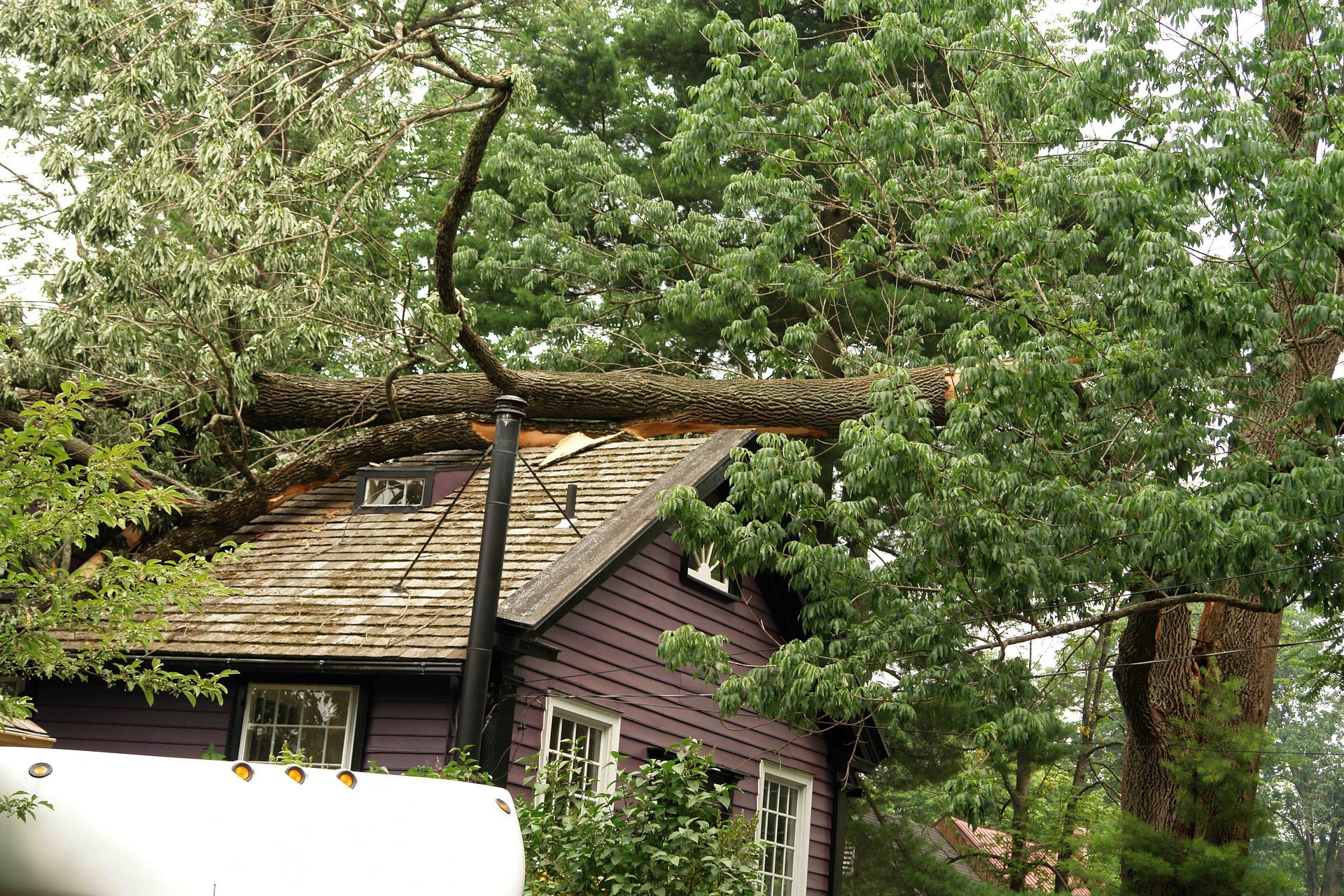
Taking a proactive stance toward property preservation involves recognizing that external surfaces face continuous exposure to natural elements. Sunlight, rain, temperature fluctuations, and wind constantly test the resilience of exterior materials. By taking early steps to clear gutters, trim overhanging tree branches, and schedule professional evaluations, property owners reduce the likelihood of unexpected breaches. Overhanging branches can scrape protective coatings or deposit organic matter that retains moisture against surfaces, accelerating wear and creating ideal conditions for moss growth.
A proactive preservation plan also emphasizes the importance of interior monitoring alongside exterior checks. Regularly reviewing attic spaces for signs of moisture accumulation, daylight penetration, or compromised insulation helps catch vulnerabilities before they affect living quarters. Engaging qualified professionals to handle complex repairs ensures that all work complies with industry standards and local safety codes. Dedicating attention to proactive preservation extends the functional life of essential building components, minimizing stress and ensuring consistent comfort for everyone inside.
Protecting a residential building requires ongoing vigilance, proper material selection, and expert technical support. By understanding the fundamentals of overhead care and recognizing early signs of degradation, property owners can take proactive measures to protect their valuable real estate. Relying on professional care ensures that every repair, replacement, or routine evaluation is executed according to rigorous standards, maintaining the durability and safety of the entire structure. If you are ready for exceptional roofing services, contact us at Roof Rite today. We will help you protect your building and maintain long-term structural stability.