August 18, 2026
Your roof quietly protects your home every day, shielding your family from rain, wind, sun, and changing temperatures. Because it works year-round, it deserves consistent attention before small issues become expensive repairs. Many homeowners only think about their roofs when they notice a leak, but preventative maintenance is almost always less stressful and more affordable than emergency repairs.
The good news is that protecting your roof does not require complicated routines. By following practical advice from experienced roofing contractors, you can reduce wear, improve your roof's lifespan, and avoid many common causes of damage. The following seven proven tips focus on simple habits that help keep any residential roof performing at its best for years to come.
1. Scheduling Regular Roof Inspections
Routine inspections remain one of the smartest ways to protect your roof. Weather, age, and natural settling can gradually create small issues that are difficult to notice from the ground. Catching these concerns early helps prevent moisture intrusion, structural deterioration, and unnecessary repair costs.
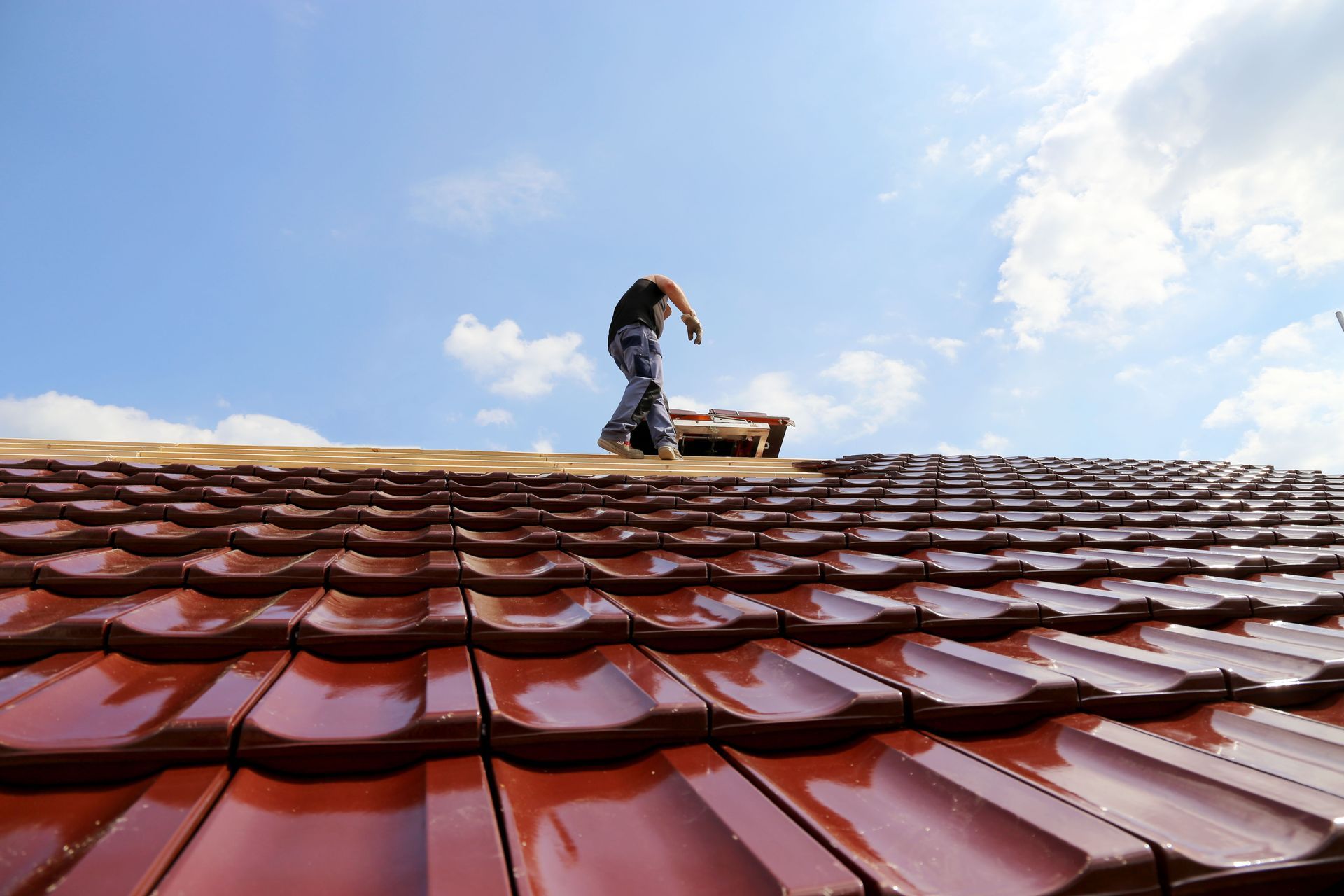
Many roofing contractors recommend scheduling professional inspections twice each year, typically during the spring and fall. These seasonal visits allow professionals to evaluate shingles, flashing, vents, gutters, and other critical components before harsh weather arrives. Between professional appointments, homeowners can perform simple visual checks after severe storms to look for missing shingles, fallen branches, or visible debris.
According to This Old House, roughly 79% of homeowners chose a professional roofing contractor when completing roof repairs or replacements, highlighting the confidence many people place in experienced roofing professionals. That level of trust reflects the value of expert inspections, which often uncover developing problems before they become costly emergencies.
2. Maintaining Clean Gutters and Downspouts
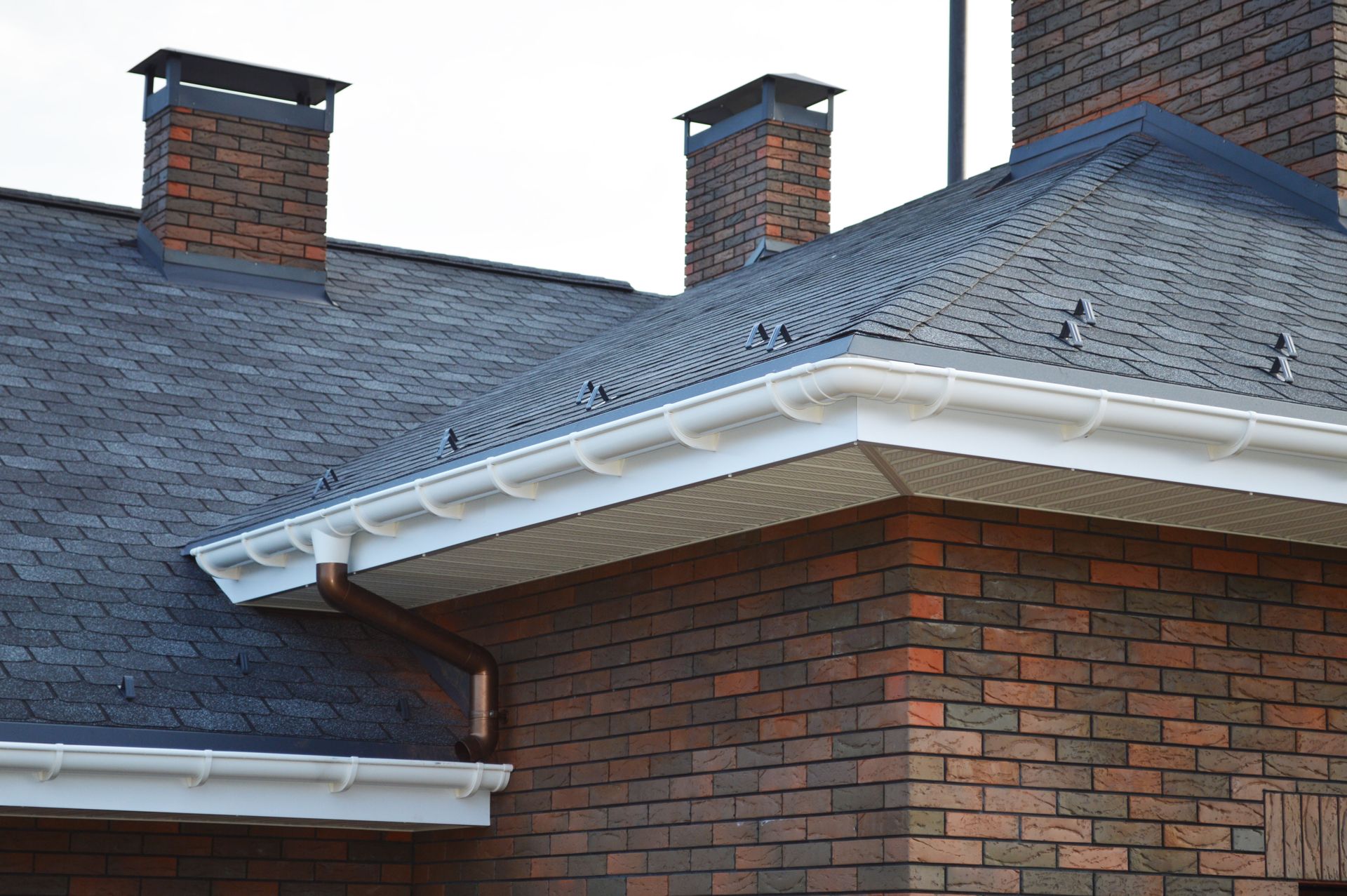
Gutters may seem like a small part of your roofing system, but they perform an important job. Their purpose is to direct rainwater safely away from your roof, siding, foundation, and landscaping. When gutters become clogged with leaves, pine needles, or other debris, water can overflow and find its way beneath roofing materials.
Cleaning gutters at least twice a year helps maintain proper drainage and reduces the likelihood of water damage. Homes surrounded by mature trees may require more frequent cleaning throughout the year because falling leaves and small branches accumulate quickly. Even a minor blockage can create standing water that gradually weakens roofing components.
Downspouts deserve equal attention because they carry water away from the home's foundation. Homeowners should confirm that downspouts remain securely attached and discharge water several feet away from the house. Installing gutter guards may also reduce debris buildup and make seasonal maintenance easier without replacing regular inspections altogether.
3. Improving Attic Ventilation and Airflow
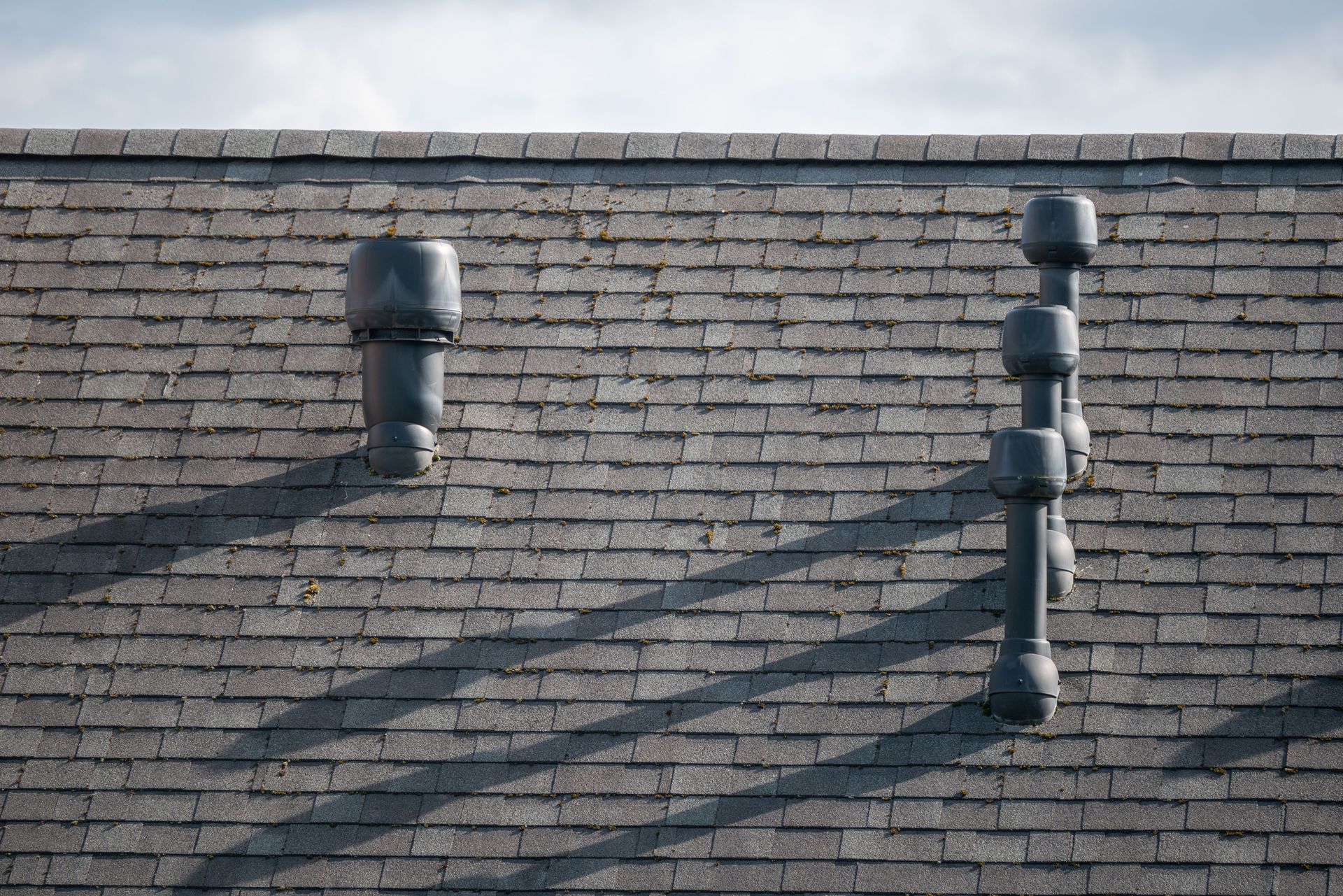
Your attic has a significant impact on your roof's health. Without proper ventilation, heat and moisture become trapped beneath the roof deck, creating conditions that shorten the lifespan of shingles and other roofing materials. Excess moisture may also contribute to mold growth and wood deterioration over time.
Balanced airflow allows fresh air to enter through soffit vents while warm, humid air exits through ridge or roof vents. This continuous circulation helps regulate temperatures throughout the year and reduces unnecessary stress on roofing materials. During hot summers, proper ventilation can also improve indoor comfort by lowering attic temperatures.
Homeowners should occasionally inspect their attics for warning signs such as condensation, musty odors, damp insulation, or excessive heat. Addressing ventilation issues early often prevents larger structural concerns while improving overall energy efficiency throughout the home.
4. Replacing Damaged Shingles and Flashing
Even one damaged shingle can allow water to penetrate the roofing system. Wind, hail, heavy rain, and prolonged sunlight gradually wear roofing materials, making regular inspections especially important. Small cracks or lifted shingles may seem harmless, but they frequently become entry points for moisture.
Flashing also deserves careful attention because it protects vulnerable areas around chimneys, skylights, vents, and roof valleys. If flashing becomes loose, rusted, or improperly sealed, leaks can develop surprisingly quickly. Replacing damaged flashing before water enters the home is often much less expensive than repairing interior water damage.
Experienced roofing contractors understand how roofing materials work together as a complete system rather than as individual components. Prompt repairs preserve that system, helping your roof continue performing as designed through changing weather conditions.
5. Managing Trees and Removing Debris
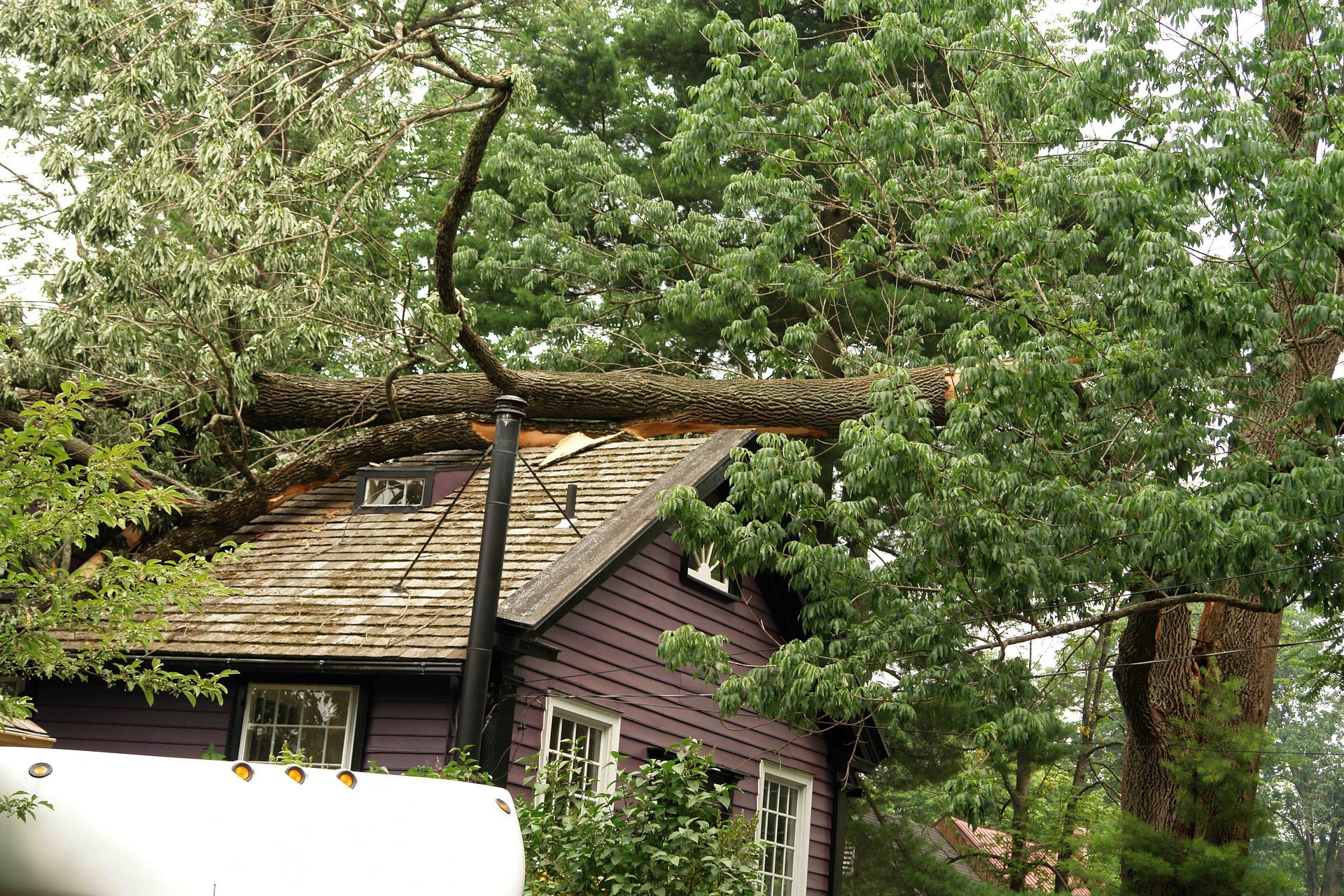
Trees provide valuable shade and curb appeal, but branches hanging over your roof can create avoidable problems. During storms, limbs may scrape shingles, damage flashing, or break entirely, causing immediate roof damage. Even smaller branches can gradually wear protective roofing surfaces through repeated contact.
Leaves, pine needles, and other organic debris also trap moisture against the roof. Over time, that trapped moisture encourages algae, moss, and mildew growth while accelerating deterioration of roofing materials. Roof valleys deserve special attention because debris naturally collects there and interferes with proper water drainage.
Keeping nearby trees trimmed and clearing debris throughout the year significantly reduces these risks. A little seasonal maintenance goes a long way toward preserving both the appearance and performance of your roofing system.
6. Preparing for Severe Storms and High Winds
Severe storms can expose even a well-maintained roof to strong winds, heavy rain, and flying debris. Loose shingles, damaged flashing, and weakened sealants are more likely to fail during extreme weather, allowing water to enter the home. Preparing your roof before storm season helps reduce the risk of unexpected damage and costly repairs.
Before storms arrive, secure or remove loose outdoor items that could become airborne and strike the roof. Trim overhanging tree branches, inspect shingles for signs of wear, and make sure gutters and downspouts are clear so rainwater can drain properly. These simple preventative steps help your roof perform more effectively when severe weather hits.
After a storm passes, safely inspect your property from the ground for missing shingles, fallen branches, dented flashing, or debris on the roof. If you notice signs of damage or suspect hidden issues, arrange for a professional inspection as soon as possible. Prompt action helps prevent minor storm damage from developing into leaks, structural problems, or more expensive repairs.
7. Partnering With Reliable Contractors
Preventative maintenance becomes much easier when homeowners establish a relationship with reliable roofing contractors before problems arise. Having a trusted professional available for inspections, maintenance, and timely repairs eliminates much of the uncertainty that comes with unexpected roofing issues. Instead of reacting to emergencies, homeowners can follow a maintenance plan that keeps the roof performing efficiently throughout its lifespan.
Experienced contractors also provide valuable recommendations based on your roof's age, material type, and local climate. Their guidance helps homeowners prioritize repairs, recognize early warning signs, and make informed decisions about future maintenance or replacement. Working with knowledgeable professionals ultimately saves time, protects your investment, and provides greater peace of mind.
Preventing roof damage is much easier than repairing it after serious problems develop. Regular inspections, clean gutters, proper ventilation, prompt repairs, seasonal debris removal, and preparation for winter weather all work together to protect one of your home's most valuable assets. Consistent maintenance also helps improve energy efficiency, reduce unexpected expenses, and extend the life of your roofing system.
Following these practical recommendations and consulting experienced
roofing contractors whenever concerns arise can help homeowners stay ahead of common roofing problems before they develop into costly repairs or extensive damage. Taking a proactive approach through routine inspections, seasonal maintenance, and timely repairs not only extends the lifespan of your roof but also protects your home's structural integrity, energy efficiency, and overall value. Even small maintenance tasks completed consistently can make a significant difference in preventing unexpected issues and giving you greater peace of mind throughout the year. If you are ready to protect your roof with dependable professional service and expert guidance, contact Roof Rite today to schedule your comprehensive roof inspection and keep your roof performing at its best for years to come.