August 29, 2026
The roof is one of the most critical components of any structure. It not only provides shelter and protection from the elements but also contributes significantly to the overall aesthetic and energy efficiency of a building. Ensuring that your roof is well-maintained and constructed with the appropriate materials can dramatically extend its lifespan and prevent costly repairs. Professional roofing contractors offer invaluable insights into maintaining and installing roofs, drawing from years of experience and expertise. In this article, we explore the top recommendations from these industry experts to help homeowners make informed decisions and ensure their roofs remain durable and efficient for the long haul.
Section 1: Choosing the Right Roofing Material
1.1 Assessing Climate Suitability
Choosing the correct roofing material involves assessing various factors, with climate suitability being paramount. In regions prone to heavy snowfall, materials like metal or heavy-duty asphalt may be preferable due to their ability to bear significant weight. Conversely, in areas with high exposure to heat, materials that offer superior UV resistance, such as tiles or reflective membranes, can help in reducing heat absorption. This attention to local climate conditions prevents premature wear and tear and guards against environmental impacts that could lead to failure or inefficiencies. Therefore, consulting with a roofing expert on the climate-related challenges specific to your region can lead to more informed material selection suitable to long-term requirements.
1.2 Considering Roof Slope and Architecture
The architectural style and slope of a roof significantly influence the type of roofing materials you should consider. For instance, steeply sloped roofs may benefit aesthetically and functionally from shingles or tiles, which provide a classic look and effective water shedding. Meanwhile, flat or low-slope roofs demand materials with excellent sealing properties, such as membranes, to prevent leakage. Professional roofers can offer guidance on materials that harmonize with architectural designs, ensuring that your home retains its visual integrity while the roof performs optimally. Furthermore, selecting materials that complement the existing architectural aesthetics can enhance your property’s curb appeal and value.
1.3 Evaluating Durability and Longevity
One of the major considerations when selecting roofing materials is their durability and longevity. Certain materials, like slate or metal, are renowned for their long lifespans, often exceeding 50 years, while others, such as asphalt shingles, may offer 20 to 30 years of service. According to Roofer's Guild, 90% of U.S. asphalt roofs sold are fiberglass shingles, highlighting their popularity due to a balanced combination of cost-effectiveness and performance. While initial costs may be higher for more durable materials, these options often offer greater long-term savings by minimizing the need for repairs and extending replacement intervals. Consulting with a professional can uncover insights into material performance based on historical data and real-world applications.
1.4 Understanding Cost vs. Quality
Cost considerations are always top of mind for homeowners, but striking the right balance between cost and quality is crucial. Investing in cheaper materials might save money upfront, but it could lead to higher maintenance and replacement costs down the line due to inferior durability. Expert roofing contractors can provide recommendations on materials that offer the best value—those that maintain an ideal balance between price and performance. Furthermore, high-quality materials not only reduce maintenance demands but also offer better aesthetic appeal and potential energy savings. Making informed choices about roofing materials is essential for long-term savings and homeowner satisfaction.
1.5 Assessing Environmental Impact
Environmental considerations have become increasingly significant in material selection as homeowners prioritize eco-friendliness. Sustainable roofing options such as green roofs or materials with high recycled content (like certain metals and rubber) reduce environmental footprints and offer energy efficiency benefits. These materials can enhance thermal regulation in homes, thereby cutting down heating and cooling costs. Professional roofers often advocate for these eco-friendly choices, emphasizing the importance of reducing waste and conserving natural resources. Ultimately, environmentally conscious roofing selections not only contribute to sustainability efforts but can also fulfill regulatory compliance and qualification for green building certifications.
Section 2: Roof Installation Best Practices
2.1 Preparing the Roof Deck
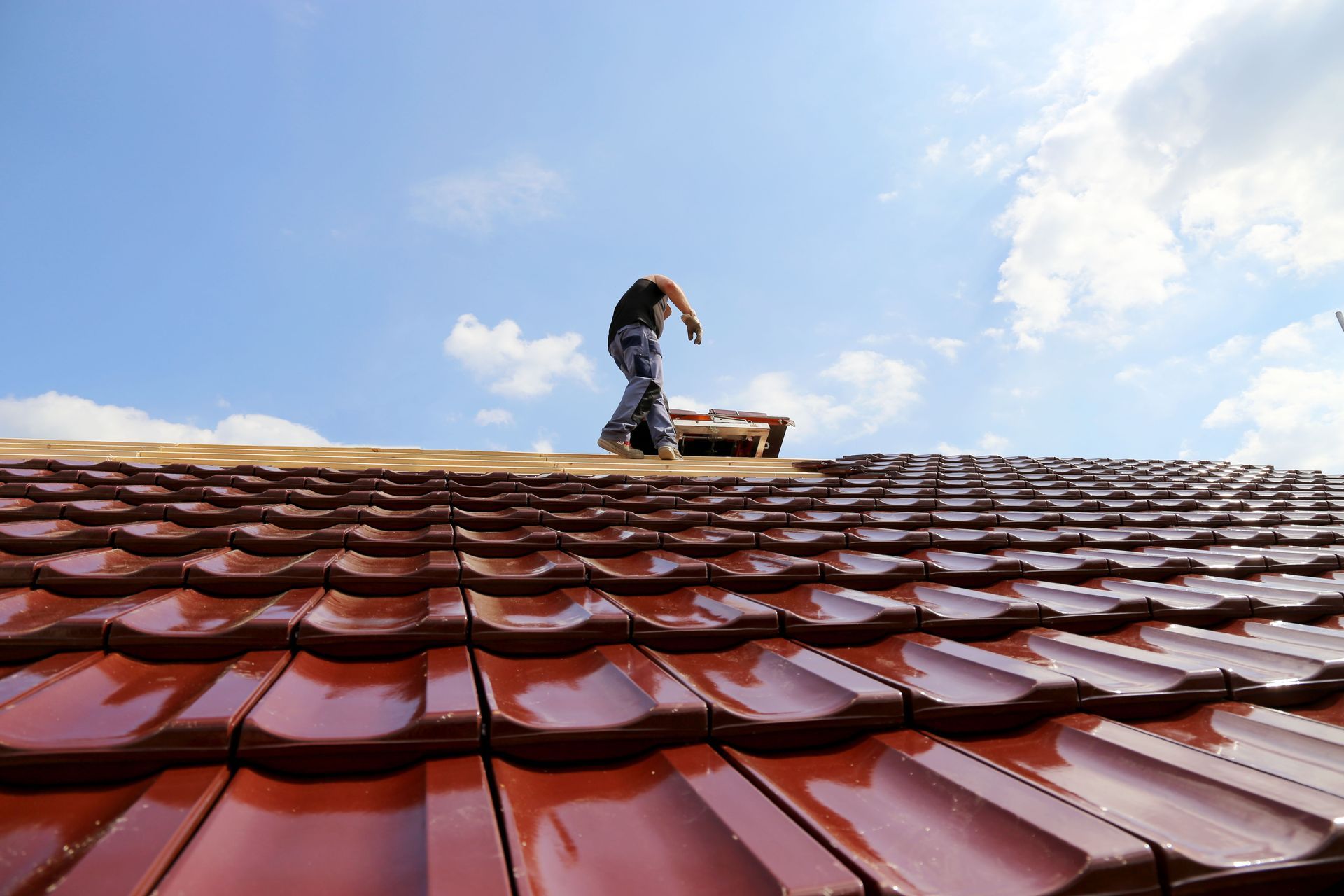
Proper preparation of the roof deck is crucial to successful installation and longevity of roofing materials. This involves ensuring the deck is clean, dry, and structurally sound before installing any materials. Contractors carefully inspect the surface for signs of damage or decay, often making necessary repairs to provide a stable foundation for new roofing. Attention to detail in deck preparation minimizes complications during installation, such as the potential for leaks or material failures. By adhering to these preparatory standards, professionals help secure a strong and durable roof structure that promises lasting performance.
2.2 Proper Ventilation Techniques
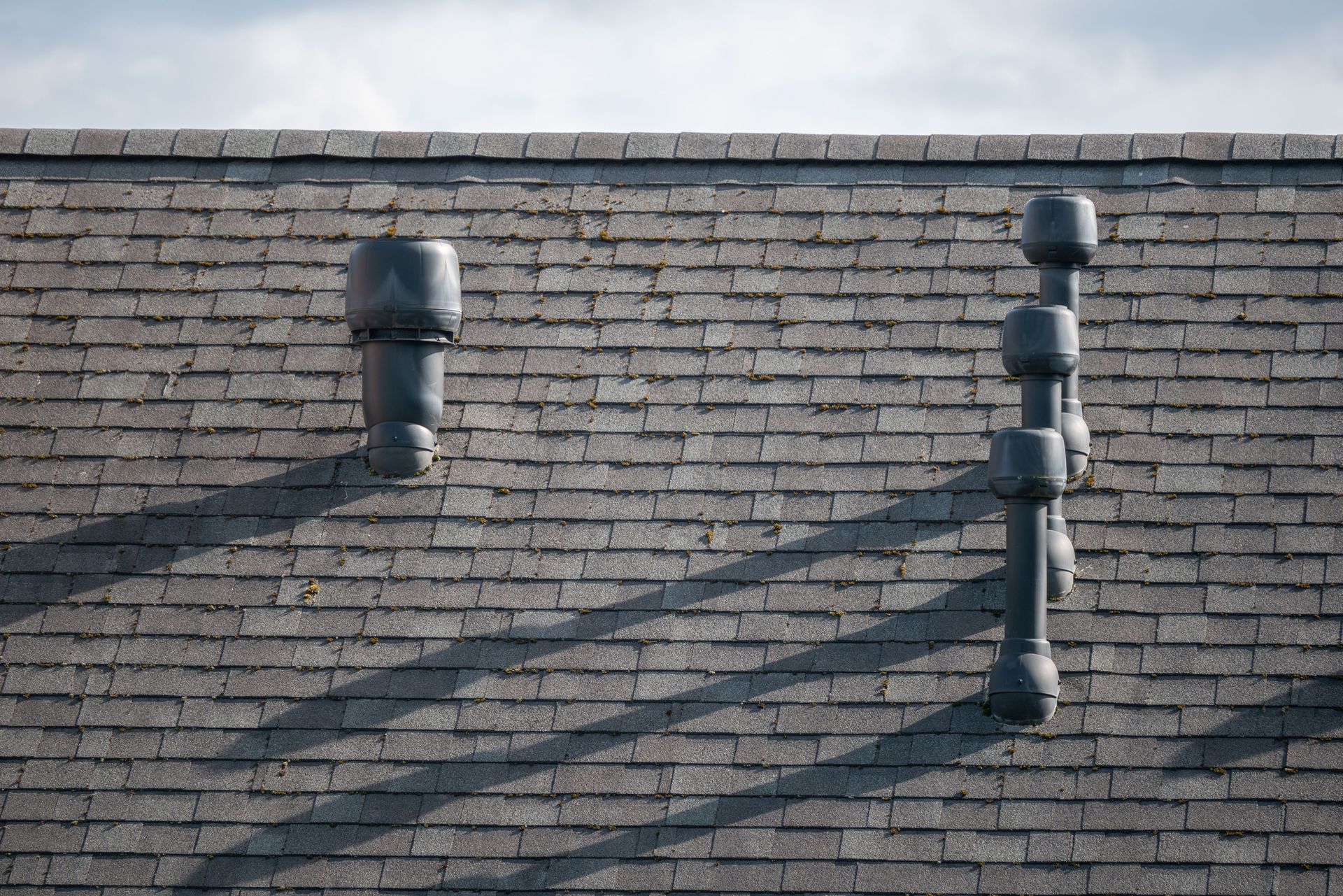
Adequate ventilation is vital for a roof's longevity, as it prevents the buildup of heat and moisture, which can damage roofing materials and the underlying structure. Installing ridge vents, soffit vents, and exhaust vents ensures that air flows smoothly, keeping the attic and roof cool and dry. Roofing experts highlight that without proper ventilation, heat can cause shingles to deteriorate prematurely, leading to costly repairs or replacements. Additionally, moisture trapped in attic spaces can promote mold growth and compromise structural integrity. Therefore, understanding and implementing efficient ventilation techniques is an integral part of ensuring the durability and health of your home’s roofing system.
2.3 Importance of Quality Underlayment
The quality of roofing underlayment plays a pivotal role in protecting your roof from water infiltration and structural damage. Underlayment serves as an additional layer of defense against water intrusion, acting as a waterproof barrier between roofing materials and the roof deck. Professionals emphasize the significance of using high-quality synthetic or felt underlayment, which offers superior protection compared to outdated or cheaper options. Proper installation of underlayment reduces the likelihood of leaks that can cause extensive water damage and diminish the lifespan of the roof. Choosing the right underlayment is a smart investment to avert future problems and safeguard your home against severe weather conditions.
Section 3: Routine Roof Maintenance
3.1 Scheduled Inspections
Regular roof inspections are essential to identify and address potential problems before they escalate into major issues. Scheduling inspections twice a year—preferably in spring and autumn—enables homeowners to catch subtle signs of wear and tear. Roofing contractors typically conduct comprehensive evaluations, examining the roof surface, flashings, and adjoining structures for signs of damage or deterioration. Early detection of minor problems like loose shingles or small leaks can prevent significant damage that requires extensive repairs or costly replacements. Ensuring that inspections become an integral part of routine home maintenance contributes to the longevity and durability of a home's roof.
3.2 Cleaning Debris and Gutters
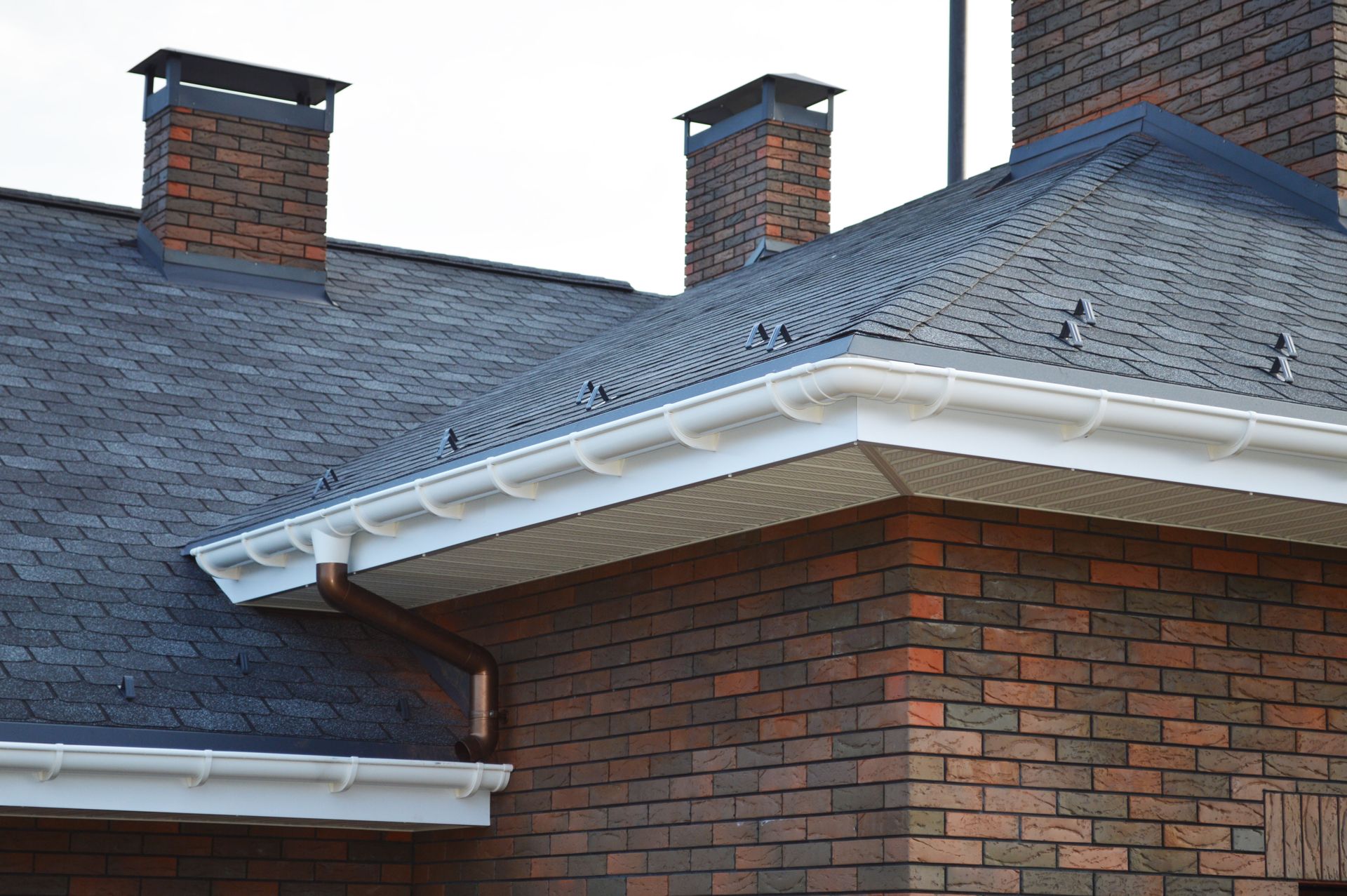
Keeping roofs and gutters free from debris is a simple yet highly effective practice for maintaining roof health. Accumulated leaves, twigs, and other debris can cause water retention, leading to mold growth and structural decay. Clogged gutters, in particular, can cause water to overflow onto roofs and siding, potentially resulting in water ingress and damage to the home’s foundation. Homeowners are urged to clean gutters periodically and remove debris from roof surfaces to ensure efficient water drainage. Regular cleaning not only helps prevent water-related issues but also promotes a cleaner, more organized exterior environment.
3.3 Repairing Minor Damage Promptly
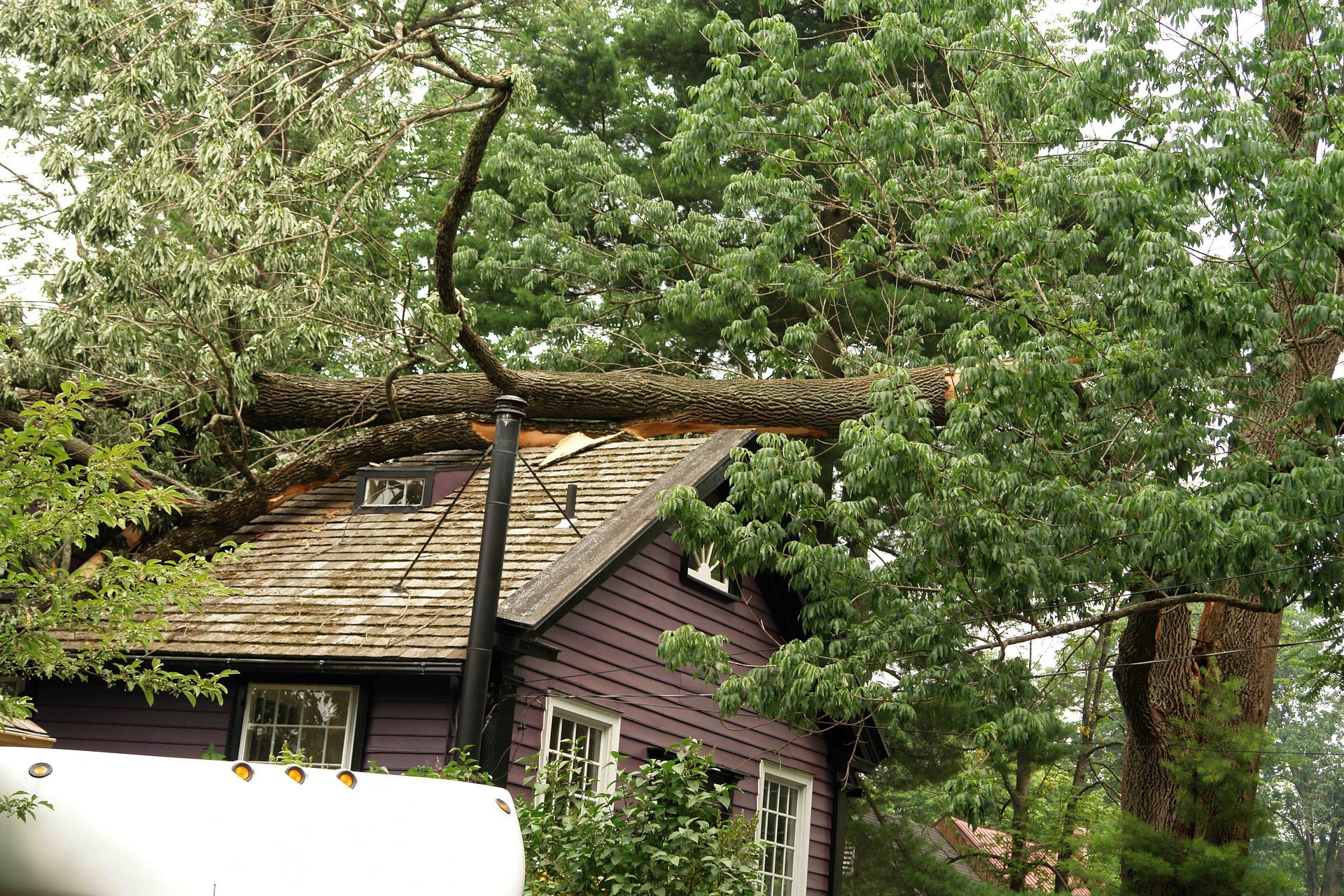
Addressing minor roof damage promptly can save homeowners from extensive and costly repairs in the future. Small issues, such as missing shingles or minor leaks, can easily escalate if neglected, causing widespread damage to the roof's structure and interior parts of the home. Professional roofers recommend taking immediate action to repair minor damages, thereby preventing further deterioration. Quick interventions help maintain the structural integrity of the roof, safeguarding the home against more severe weather events. By adopting a proactive approach, homeowners can protect their investment and prolong the effective lifespan of their roofing systems. Be sure to reach out to Roof Rite today to learn more about our professional
roofing contractors!