June 15, 2026
Recently, extreme storms have become more frequent and intense, posing significant threats to both residential and commercial structures. These powerful natural phenomena can wreak havoc, leaving a trail of destruction that property owners need to diligently address. Without prompt attention, immediate issues like leaking, structural compromise, and insulation failures can quickly escalate into catastrophic financial and structural concerns. This article explores various common problems that arise post-storm, highlighting the critical importance of awareness and proactive maintenance in maintaining overall property integrity and safety. By understanding these issues, we can help you take preventive measures to protect your investments against future severe weather events. Scheduling a professional roof inspection right after a major weather event is the absolute best way to catch hidden structural vulnerabilities before they worsen.
1. Spotting Shingle Damage
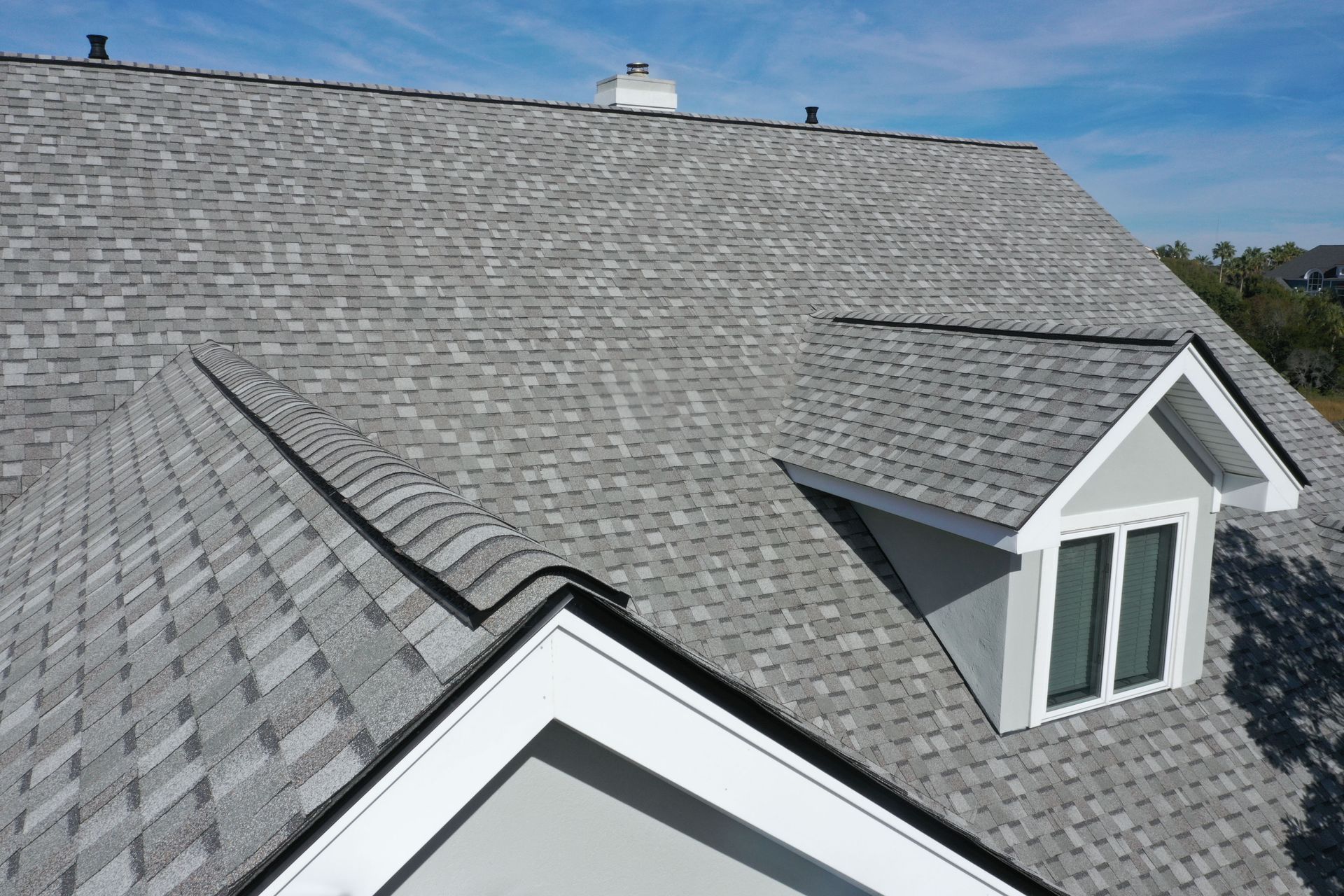
Shingle damage is one of the most prevalent issues following extreme storms that sweep through our communities. Strong winds and flying debris cause these protective top layers to break, crack, or become completely dislodged from the building structure. Once damaged, broken, and missing pieces can lead to further costly issues such as deep water penetration and compromised structural integrity. Curling and buckling are also common, often occurring as a direct result of sudden moisture exposure or rapid thermal expansion. This distortion not only affects the building's outer aesthetics but also diminishes its protective capacity, leaving the underlying framework exposed to the elements.
Granule loss is another concerning issue, severely affecting the lifespan and effectiveness of standard asphalt roofing materials. Severe storms often strip away these granules, which are essential for UV protection and overall weather resistance. The visible accumulation of colored granules in your drainage systems is a clear sign of this ongoing problem. With significant granule loss, the remaining material becomes increasingly vulnerable to radiation and eventually deteriorates more rapidly. We always recommend getting a detailed roof inspection to properly assess granule depletion and determine the overall health of your exterior surfaces.
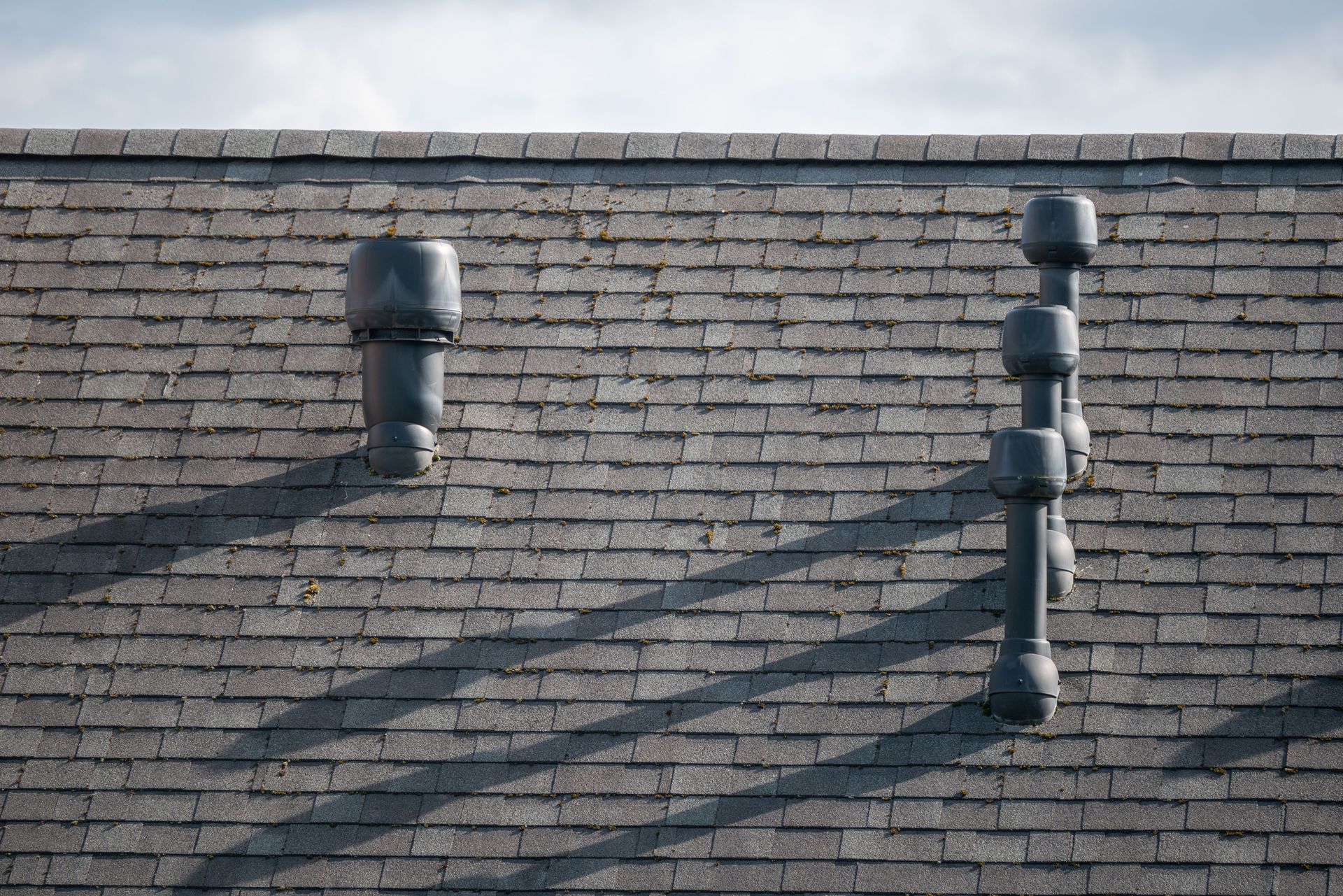
Persistent moisture can also lead to widespread algae and moss growth, particularly in shady or poorly draining areas. While these biological growths might seem harmless at first, they slowly degrade the underlying materials and trap water, facilitating major leaks. Additionally, lifted sections create direct entry points for driving rain, further exacerbating the risk of internal cosmetic and structural damage. As materials loosen, their adhesion to the deck weakens, making them highly susceptible to being completely blown away in subsequent storms. Early detection through a routine roof inspection is crucial in maintaining your property's primary protective barrier against nature.
2. Identifying Leaks and Water Damage
Leaks and water damage are arguably the most detrimental issues following extreme storms because they destroy internal infrastructure. According to the Better Business Bureau, 40% of roofing issues are related to leaks. Finding the exact origin of a leak is an essential step in addressing this widespread and destructive property problem. Oftentimes, water finds its way through compromised areas like flashing, chimneys, or valleys, seeping deep into the framework and causing significant internal damage. Spotting dark stains on ceilings or walls is often the very first indicator of an active internal leak.
Mold and mildew thrive in damp environments and can cause various respiratory problems if allowed to proliferate unchecked. Affected areas usually emit a foul, musty odor, alerting occupants to the presence of intruding moisture behind the walls. Furthermore, unresolved leaks often result in major attic moisture issues, significantly compromising your overall insulation efficiency. Moisture accumulation in the upper attic area can lead to wood rot and serious structural defects over time. Ensuring that proper ventilation and insulation are fully functional plays a critical role in preventing this hidden moisture buildup. Arranging a comprehensive roof inspection will pinpoint these hidden entry points before mold can take over your property.
3. Managing Gutter and Downspout Problems
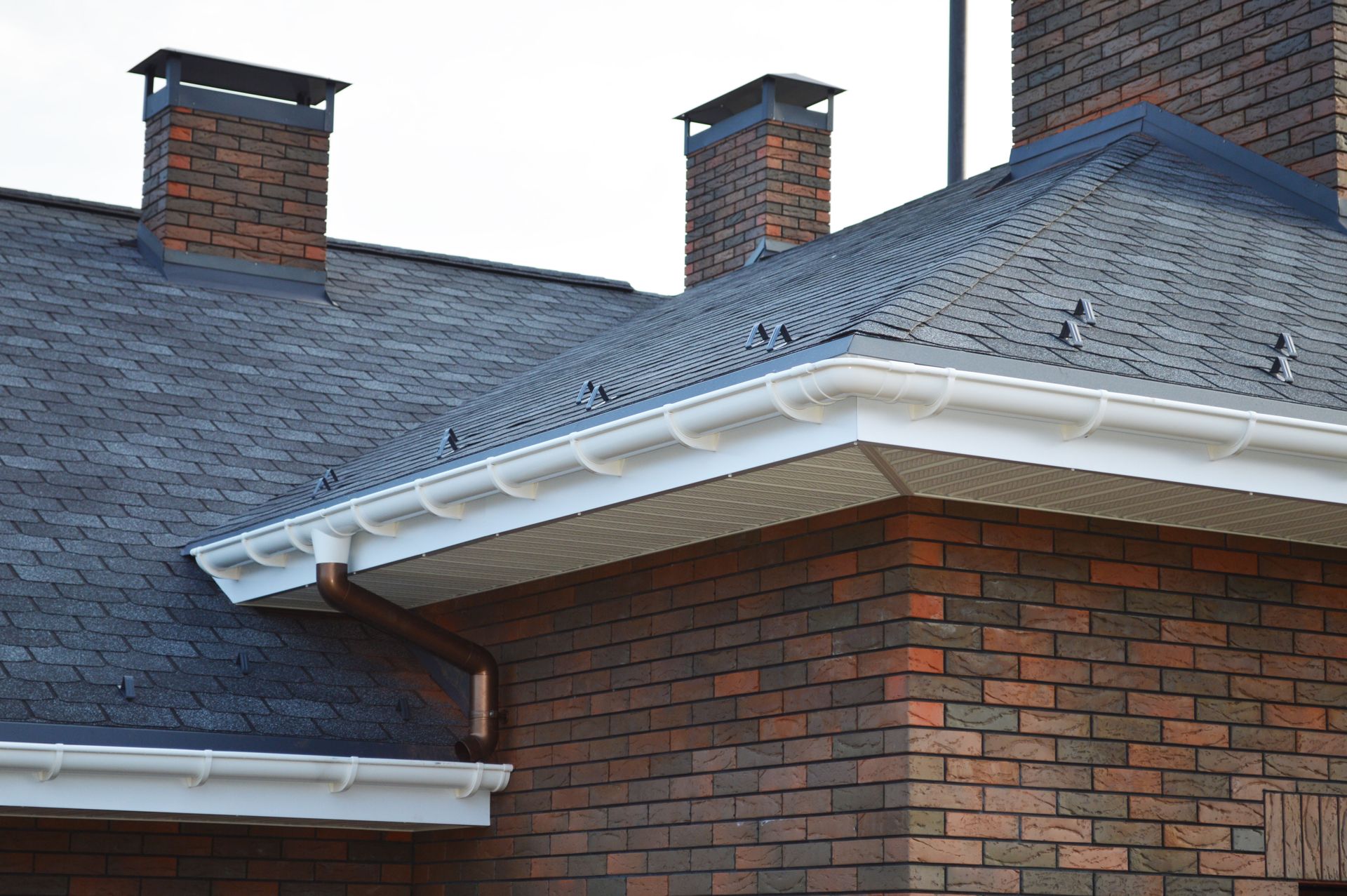
Gutters and downspouts play a crucial role in directing water away from rooflines, siding, and building foundations. After severe storms, clogged drainage channels can become a pressing issue that threatens the lower parts of the structure. Debris, such as leaves, twigs, and granules washed off from above, tend to accumulate quickly, completely obstructing the natural flow of water. This heavy debris buildup can cause water overflow, which in turn damages the building's edge and the underlying fascia boards. Regular drainage system maintenance is absolutely essential to prevent such blockages and ensure efficient water flow away from the structure. To further safeguard your property, consider installing gutter guards to significantly decrease the frequency of clogs by blocking debris buildup.
Another major concern is gutter pull-away, which occurs when the extreme weight of debris and trapped water causes brackets to detach from the roofline. As the channels sag, their efficiency in directing water decreases dramatically, allowing water to spill over and damage the adjacent siding. Water pooling near the foundation is a serious structural issue, as it can lead to shifting and undermine the long-term stability of the entire property. A thorough roof inspection can identify loose drainage attachments, ensuring your exterior water management system is ready for the next big storm. Additional support brackets can also be installed to reinforce your gutter system, extending its durability and performance.
4. Resolving Structural Damage
Structural damage is a massive concern when extreme weather events target the integrity of your property's framing. Roof deck damage often results from prolonged exposure to moisture and the immense weight of fallen debris or accumulated water. This can lead to warped, sagging, or rotting decking materials, heavily compromising the building's foundational upper structure. Compromised supports are another frequent consequence, often stemming from the relentless impact of strong winds and flying tree branches. Over time, these weakened structural supports can lead to noticeable sagging or even partial collapse if not promptly addressed by professionals. Implementing regular maintenance checks can significantly reduce the likelihood of severe structural damage by identifying potential weak points early on.
Trusses, the engineered wooden framework supporting the entire upper section of a building, are crucial to maintaining overall structural stability. Serious truss issues can arise when storms exert excessive twisting force, leading to the bending or snapping of these heavy internal supports. Such structural problems can lead to severe consequences, including the sudden collapse of entire upper sections. Repairing or reinforcing these heavy wooden trusses requires immediate professional engineering attention to ensure long-term safety and longevity. It is crucial to schedule a structural roof inspection after severe storms to identify and rectify hidden framework vulnerabilities in a timely manner. Consulting with a professional engineer can provide valuable insights and preventive strategies to fortify your structure against future weather-related damage.
Extreme storms pose significant challenges to property systems, creating a wide range of potential issues that require immediate professional attention. From shingle degradation and localized leaking to serious structural concerns and insulation compromise, these problems can escalate dramatically if not promptly addressed. The absolute importance of early detection and consistent maintenance cannot be overstated, as they are integral in preserving the safety and long-term value of your property. Preparedness and preventive measures shield owners from costly damages and ensure structural resilience against future weather events. Do not wait for a small leak to become a major disaster; contact Roof Rite today to schedule your comprehensive roof inspection and protect your property.